Portfolio Evidence
Evidence of My Skills
Six pieces of work, selected not because they were my best grades, but because they show something real about how I think, communicate, and develop.
Solo Travel · Broad Horizon + Self-Reflection
Side Job · Self-Reflection + Metacognitive
Side Job · Metacognitive + Self-Reflection
Group Project · Personal Development
Extracurricular · Broad Horizon
Presentation · Communicative Skills
 Broad Horizon
 Self-Reflection
Horizon-Broadening Experience
Self-Reflection
Horizon-Broadening Experience
From March to August 2024, before starting the MSc, I travelled through Asia: Singapore, Thailand, Vietnam, the Philippines, and Japan, followed by a final month in Chiang Mai, northern Thailand, training Muay Thai full time. It was during this trip that I ended up in a hyperbaric chamber in Manila after a diving accident in Coron Bay, Palawan, and had the conversation with Dr. Jojo that ultimately brought me to the Vrije Universiteit. But the trip gave me something else too, something harder to name on a CV: a direct confrontation with how narrowly I had been choosing who to spend time with.
Genuine openness to people you would not ordinarily choose, and the self-awareness to recognise when your social habits are a limitation rather than a preference. Travelling alone through unfamiliar environments forces a kind of social flexibility that a professional context rarely demands: you cannot rely on shared background, shared language, or shared assumptions. You either find common ground with whoever is in front of you, or you spend a lot of time alone.
I used to filter people quickly. If someone didn't fit a certain idea of interesting or relatable, I wouldn't invest the effort to find out whether I was wrong. What the trip revealed, slowly, through dozens of conversations with people I had no obvious reason to talk to, is that this filter was costing me far more than it was protecting me. The most unexpected conversations became the most memorable ones. Not because the people were extraordinary, but because I stopped deciding in advance that they weren't.
This shift continued into the MSc. There is a peer student in my cohort who I would have written off in the first week. She ended up making me laugh more than almost anyone, challenging how I articulate my thinking, and earning more of my respect than most people I met this year, precisely because she never tried to make herself more palatable. That kind of person only reaches you if you have already decided to stay open.
Change management is, at its core, about working with people you did not choose and cannot replace. The ability to find common ground across difference, in background, seniority, sector, personality, is not a soft skill. It is the foundation of every stakeholder relationship, every team dynamic, every organisational intervention that actually lands. I developed this capacity not in a classroom but in the field, and it shows up in how I work every day.
 The people who changed how I see the world were mostly people I nearly didn't
speak to. What does that say about how reliable my first impressions are:
and how much have I still missed because I trusted them anyway?
The people who changed how I see the world were mostly people I nearly didn't
speak to. What does that say about how reliable my first impressions are:
and how much have I still missed because I trusted them anyway?
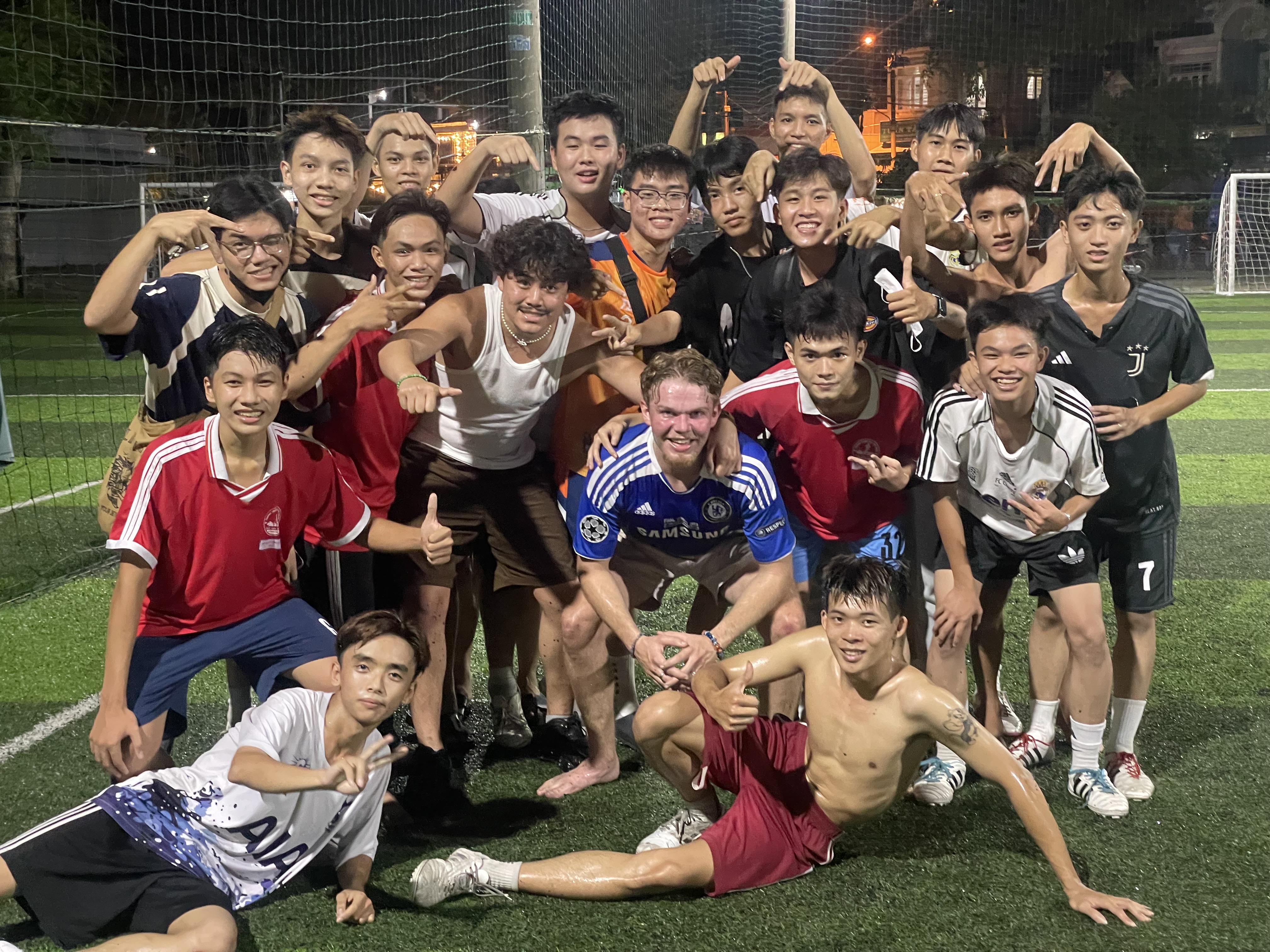
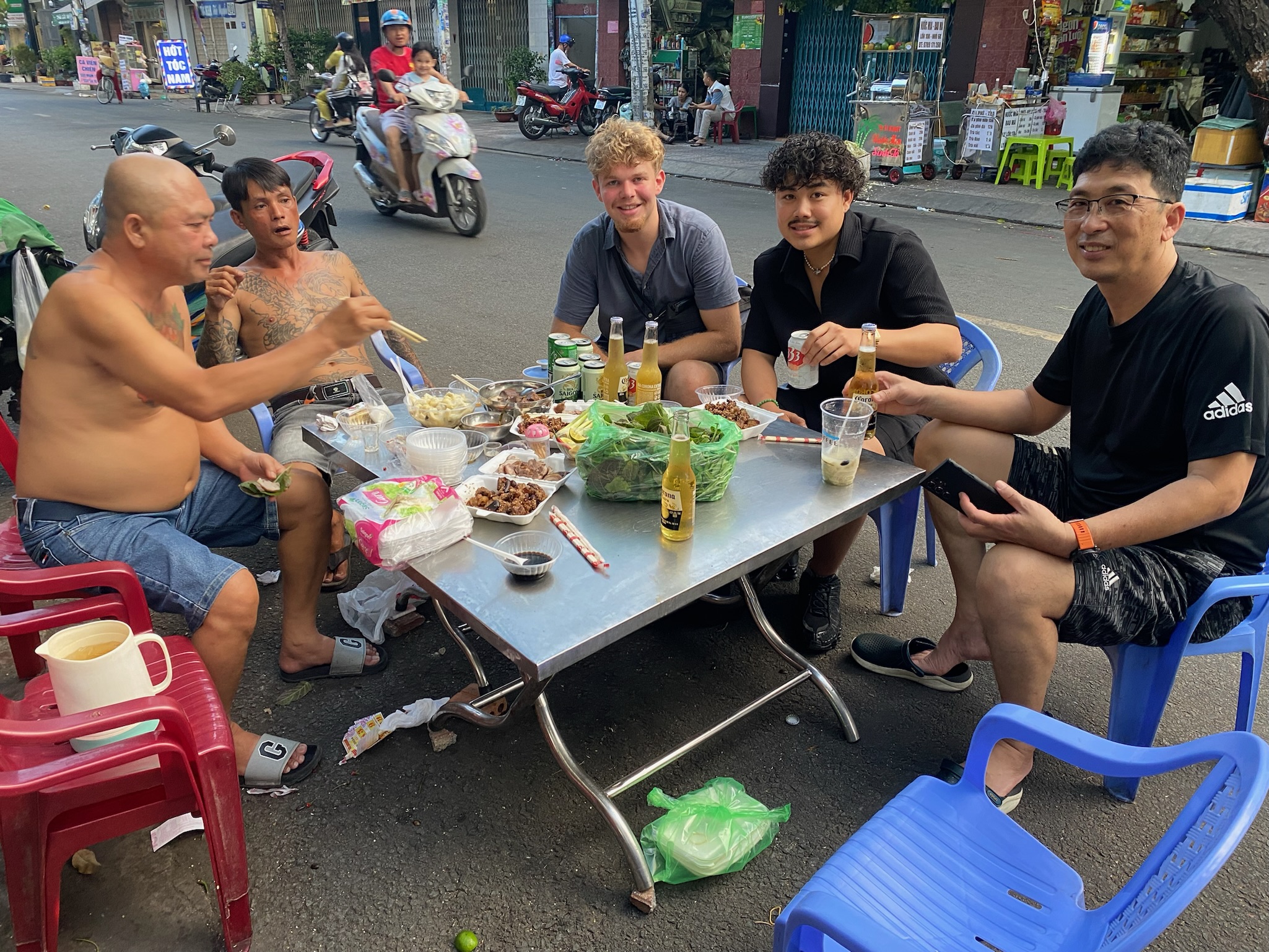
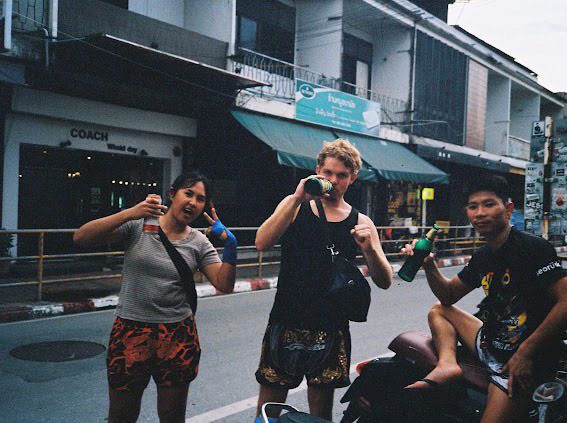
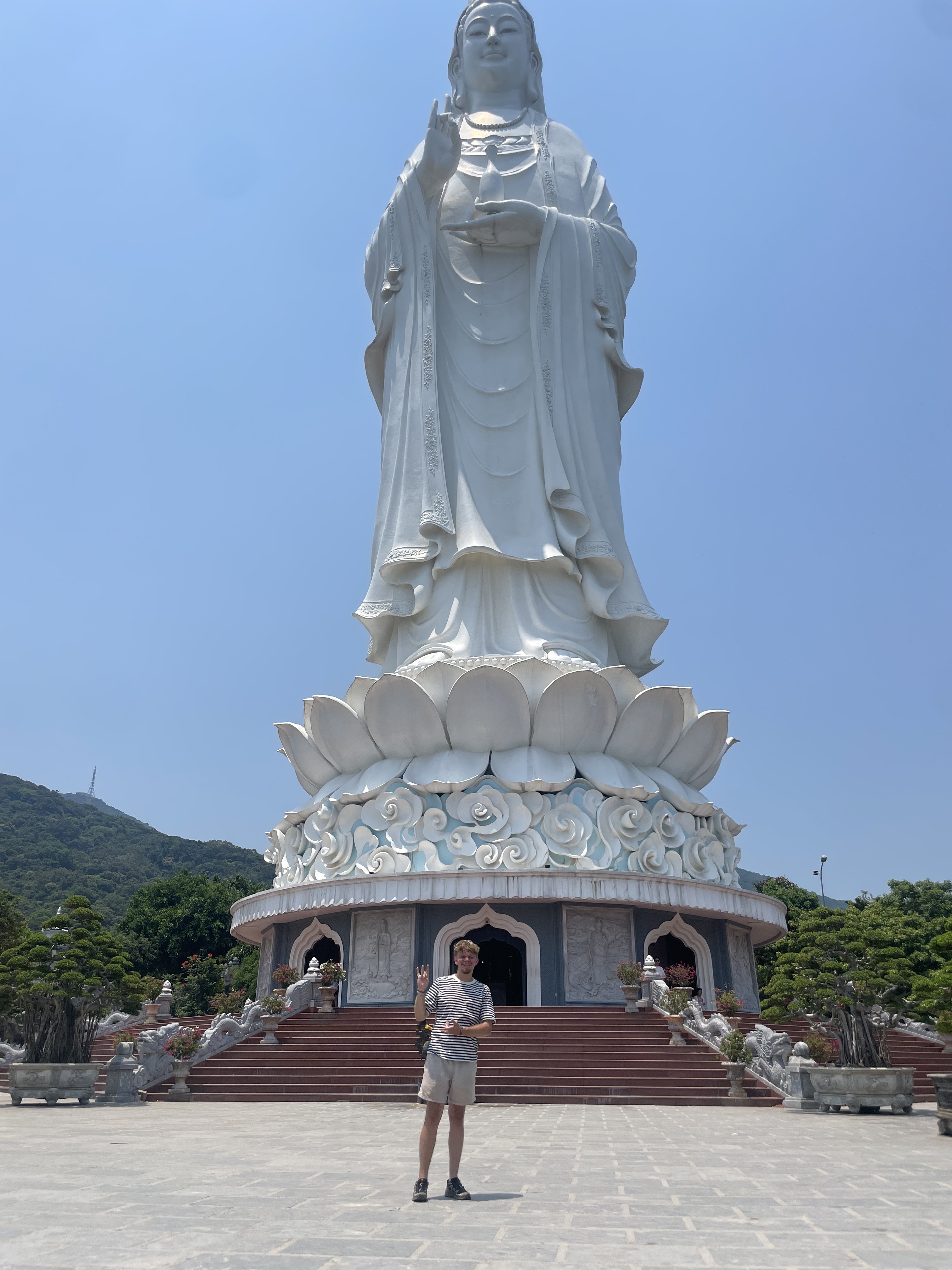
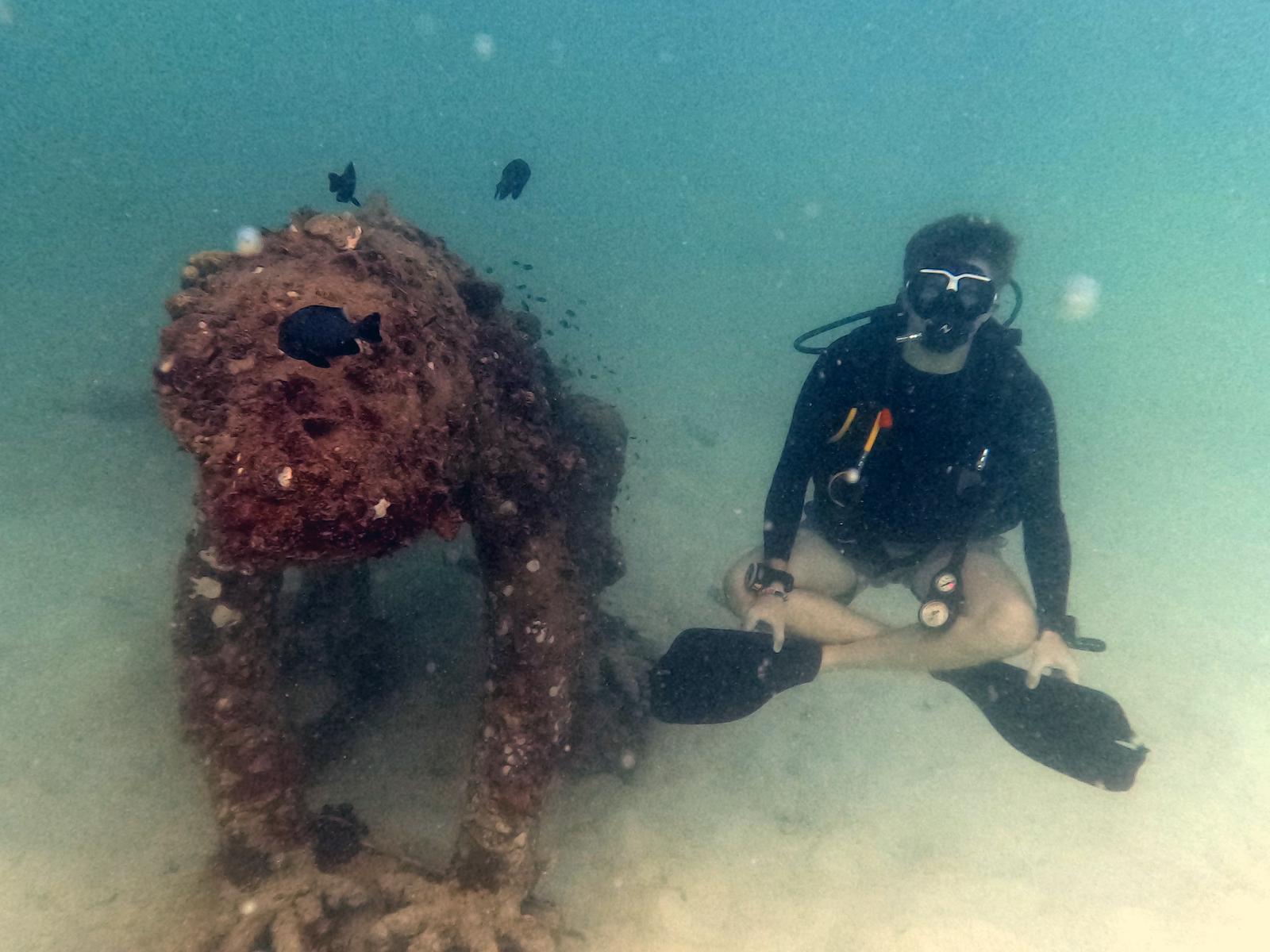
Top: joining a local football match in Vietnam · Streetfood with locals · Chiang Mai after Muay Thai · Lady Buddha, Da Nang · Koh Tao dive
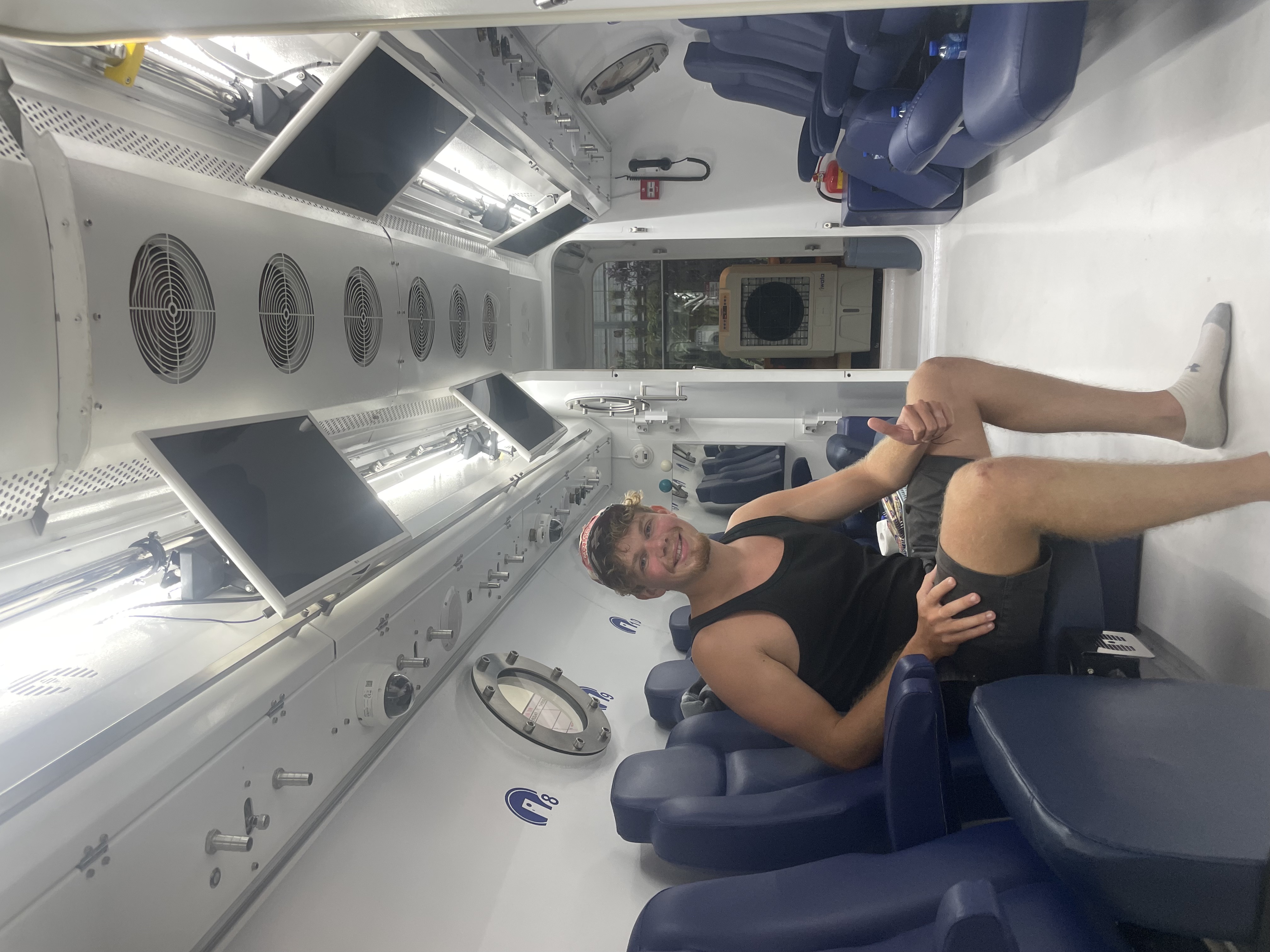
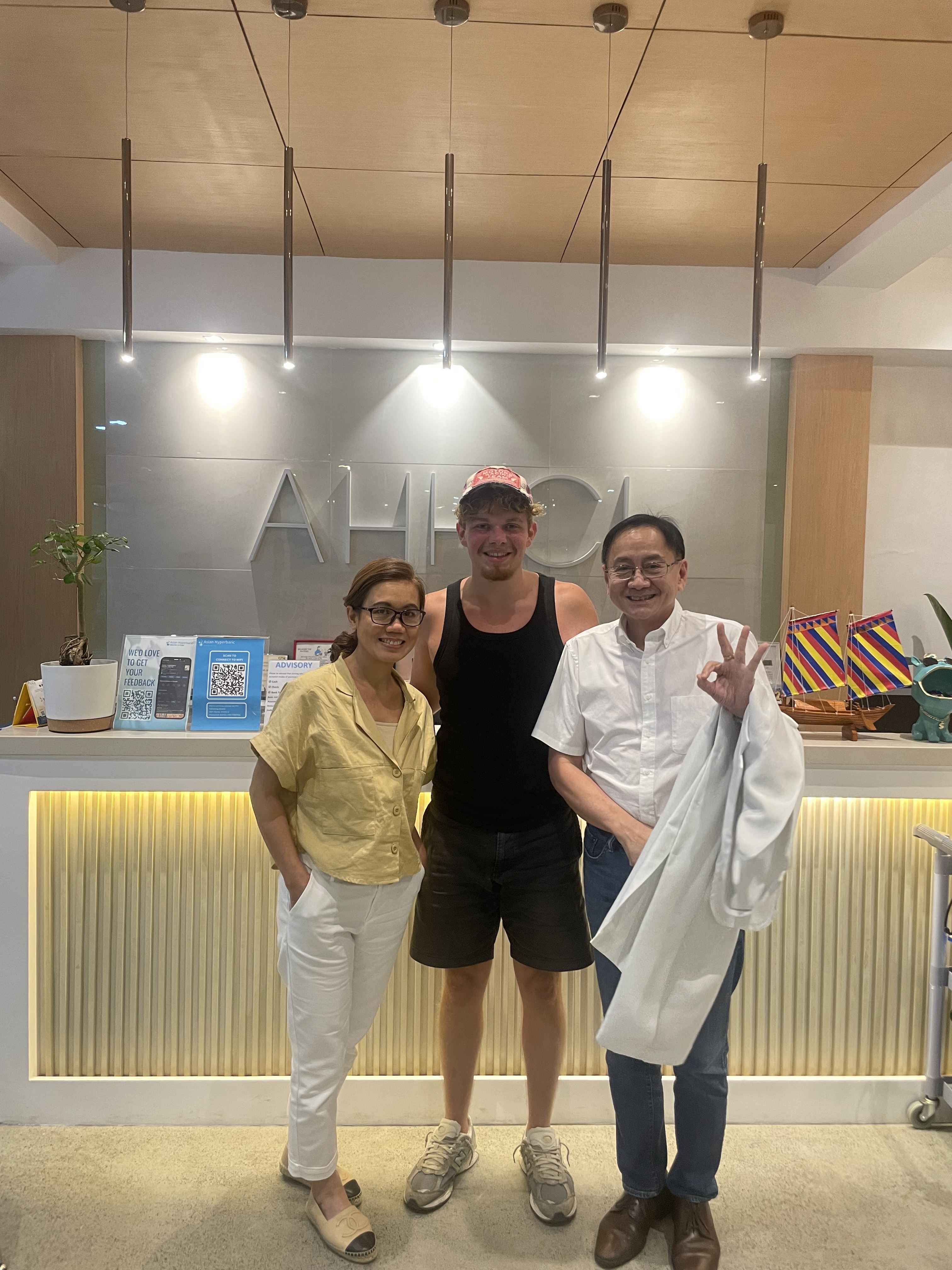
The hyperbaric chamber in Manila · Dr. Jojo, who treated me and encouraged me to do the master's
Self-Reflection
 Metacognitive
Side Job · Start-Up
Metacognitive
Side Job · Start-Up
Alongside my MSc, I worked as a recruiter at De Banenbank, a start-up, managing end-to-end candidate contact across six sectors: finance, truck driving, sales, automotive mechanics, maintenance engineering, and healthcare. Beyond filling vacancies, I identified inefficiencies in the existing workflow and built improvements from scratch: faster screening processes, clearer communication structures, and a dedicated rejection handling protocol to ensure unsuccessful candidates received honest, timely, and respectful responses. I contributed directly to KPI delivery and company growth during a period when the organisation was still establishing its ways of working.
The ability to operate autonomously inside an ambiguous, fast-moving environment: and to improve processes rather than just execute them. Recruitment at a start-up is not a defined role with a clear manual. It required me to make judgement calls continuously: which candidates to advance, how to represent a company I was still learning myself, and how to hold professional standards when no one was checking whether I did.
The hardest part of this job had nothing to do with sourcing or screening. It was the moment of rejection, specifically, finding candidates with genuine motivation who didn't meet the requirements. My instinct was to soften the message, leave things open, avoid being the one who closes the door. I recognised this pattern in myself over the course of the year, and I responded by redesigning the rejection process: not to make it easier for me, but to make it more useful for the candidate. A structured, honest rejection with specific feedback is more respectful than a vague "we'll keep you in mind." I still find it uncomfortable. But I no longer avoid it.
Most change and leadership roles involve delivering uncomfortable messages, to stakeholders, teams, or individuals whose expectations won't be met. The ability to do that clearly and respectfully, without softening it into uselessness, is a professional skill that many people never fully develop. This experience shows I noticed the gap in myself and built a practice around closing it. That is the difference between self-awareness and metacognition.
When I redesigned the rejection process, was I solving a problem for the candidates:
or making it easier for myself to live with delivering bad news?
And is there anything wrong with it being both?
Metacognitive Skills
Self-Reflection
Side Job
Two years earlier I had met Jan while travelling in the Philippines. Last summer he asked me, with no warning and little lead time, whether I could run the pizza section at Fort aan de Klop for several weekends, because he wouldn't be there himself. No hospitality background beyond a stint in a dishwashing room, no kitchen routine, and after one shared shift with Jan I was fully on my own. The expectation was simple: it runs.
Stepping into an unfamiliar role without the safety net of prior experience or the cover of pretending you have it. I said yes before I had fully processed what I was agreeing to, and then had to work backwards from that commitment honestly. No elaborate strategy: pay attention on day one, be direct about what you know and don't know, and do the work. The uncertainty was real, but I didn't let it make the decisions.
The most useful insight didn't arrive until months later. I went back to Fort aan de Klop and found a new colleague, Piet, at the pizza station. No experience. An hour's delay. Chaos. I stepped in and showed him how it worked, and it was only in that moment that I understood what I had actually built over those summer weekends. Not just the mechanics of running a pizza oven, but the ability to move quickly, improvise under pressure, and now, transfer that to someone else.
That realisation came with its own uncomfortable reflection: I had built something and not documented it. If I had written down what I'd learned, Piet wouldn't have had to discover it the hard way. Growth without transfer is only half of what growth can be.
Organisations consistently underinvest in capturing tacit knowledge, the kind that lives in people rather than processes. What this experience taught me is that informal expertise is both real and fragile: it disappears when the person who holds it moves on, unless someone makes the deliberate effort to surface and share it. I notice this now in professional contexts. It is one of the reasons I take documentation and knowledge transfer seriously in ways I didn't before.
I only understood what I had learned by watching someone else not have it.
How much of what I know is still invisible to me, and what would it take for
me to see it?
Asked to solo-run a pizza kitchen at Fort aan de Klop with no prior experience, introduced by a friend met in the Philippines.
Run the pizza section independently. No manual, no colleague on standby, full responsibility from shift two.
Paid close attention on day one. Was honest about gaps rather than bluffing. Let that be the strategy.
Section ran. Every customer left with a pizza. Months later, stepped in to train a struggling successor and saw the competence built.
Should have documented it. Tacit knowledge that isn't transferred is a dependency, not an asset.
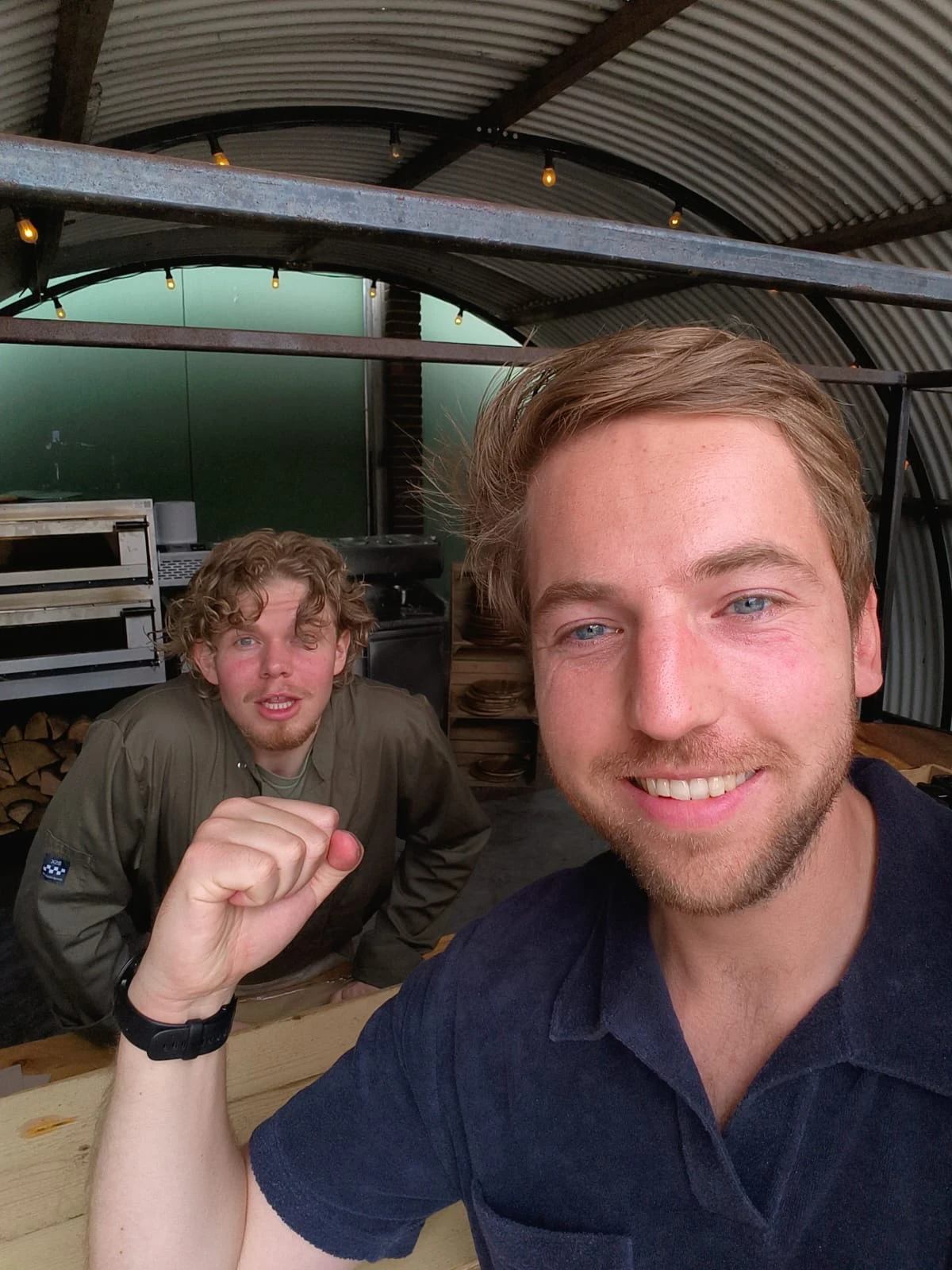
Fort aan de Klop, with a team member at the pizza oven
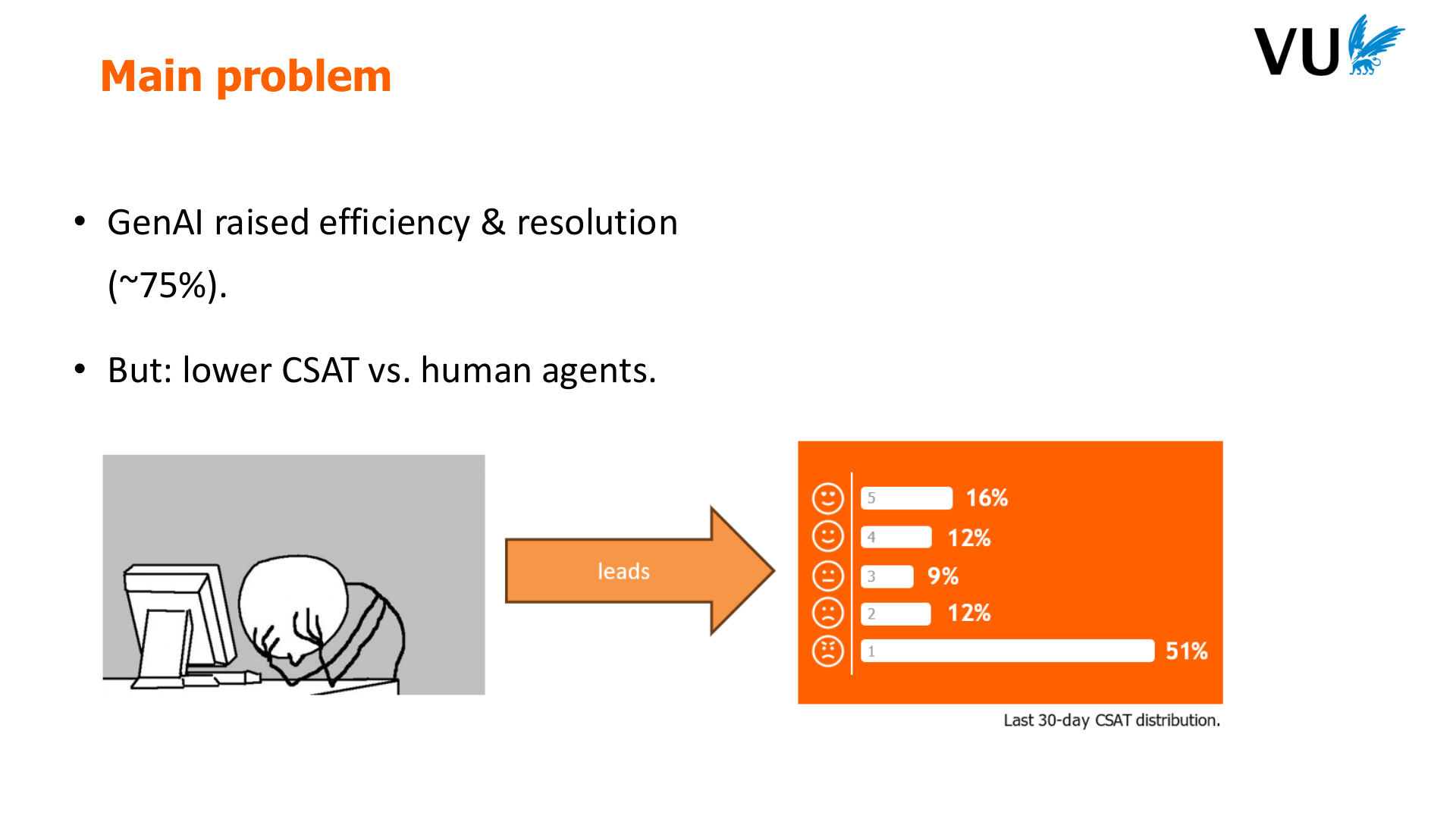
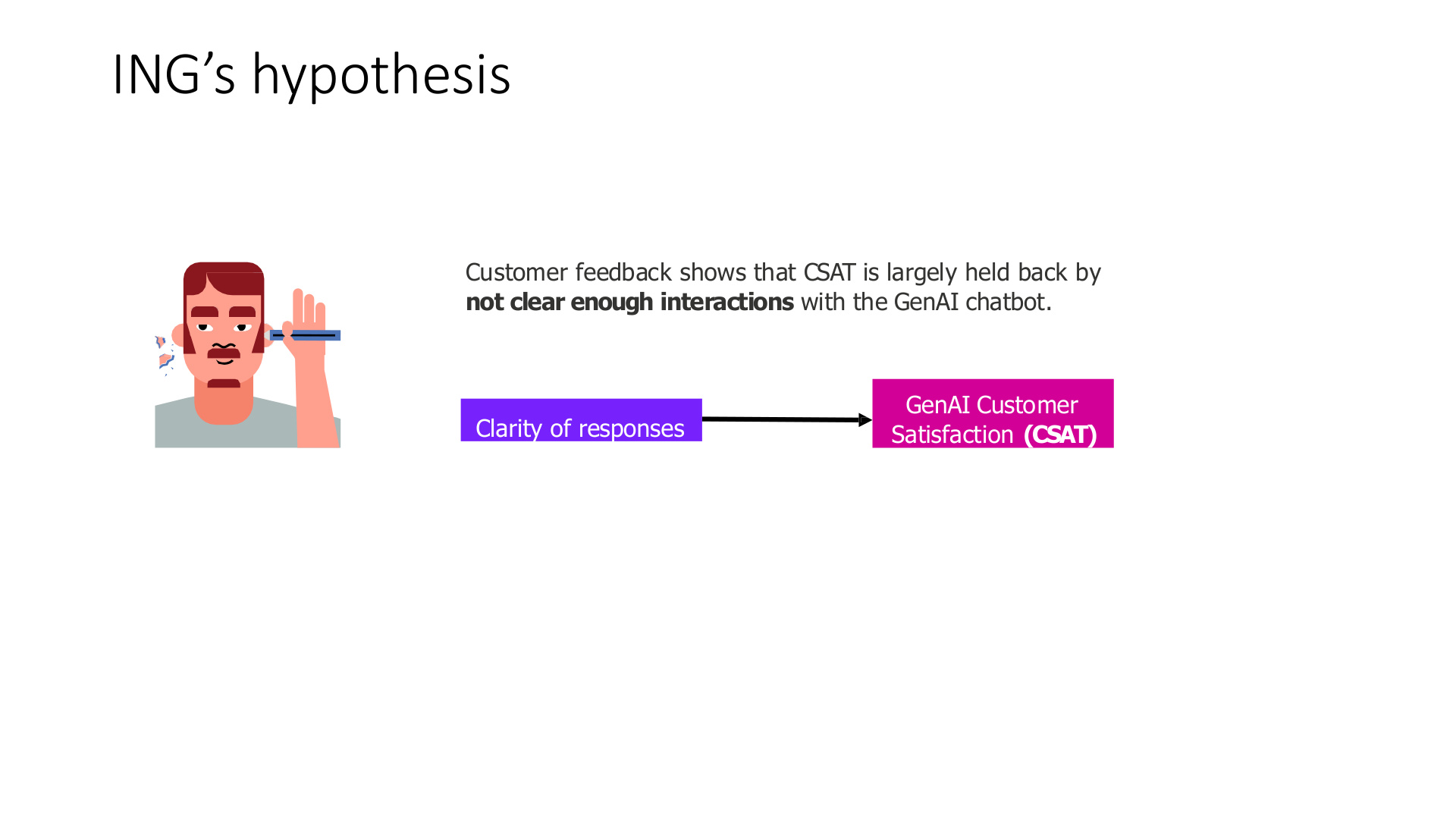
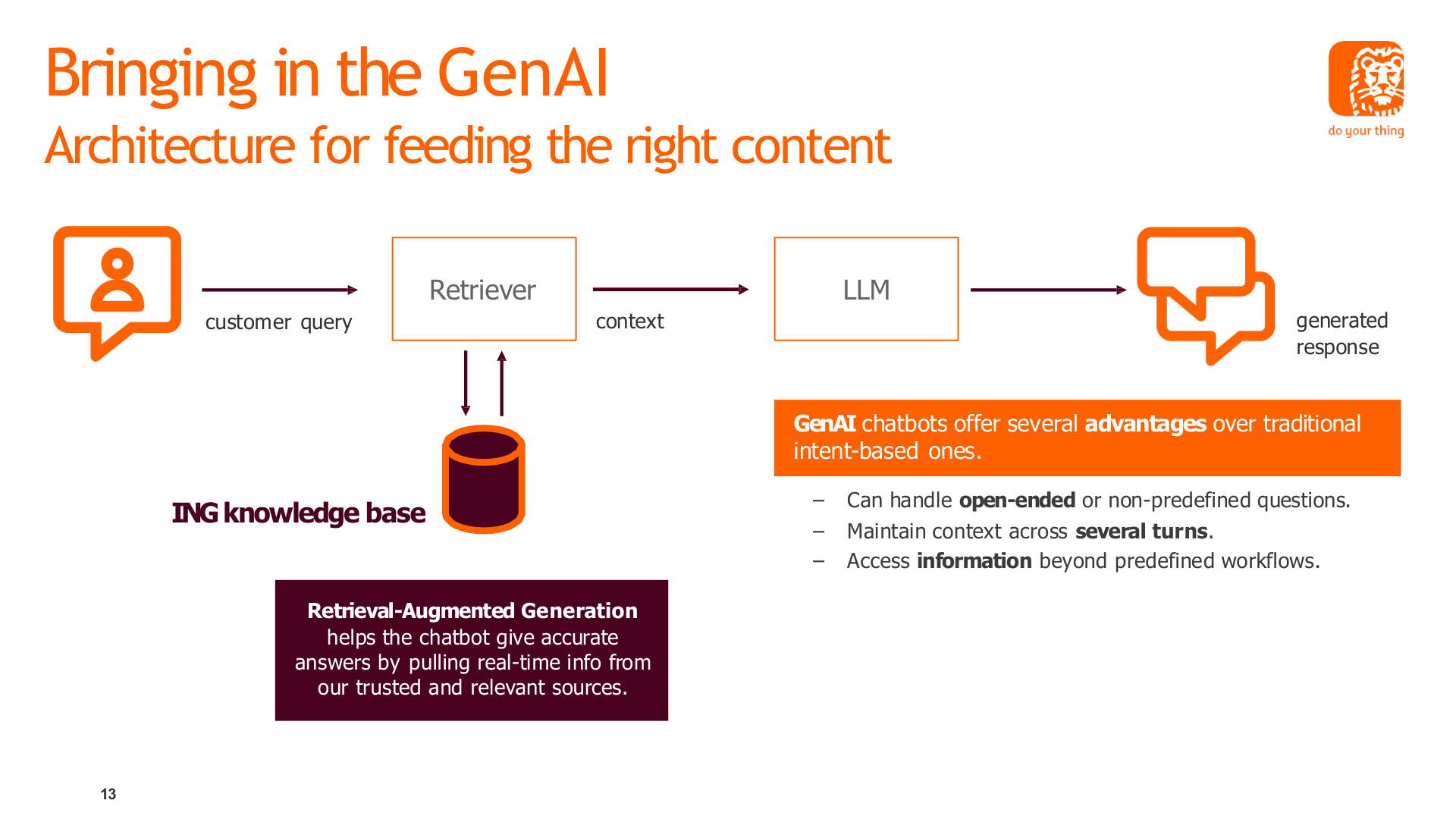
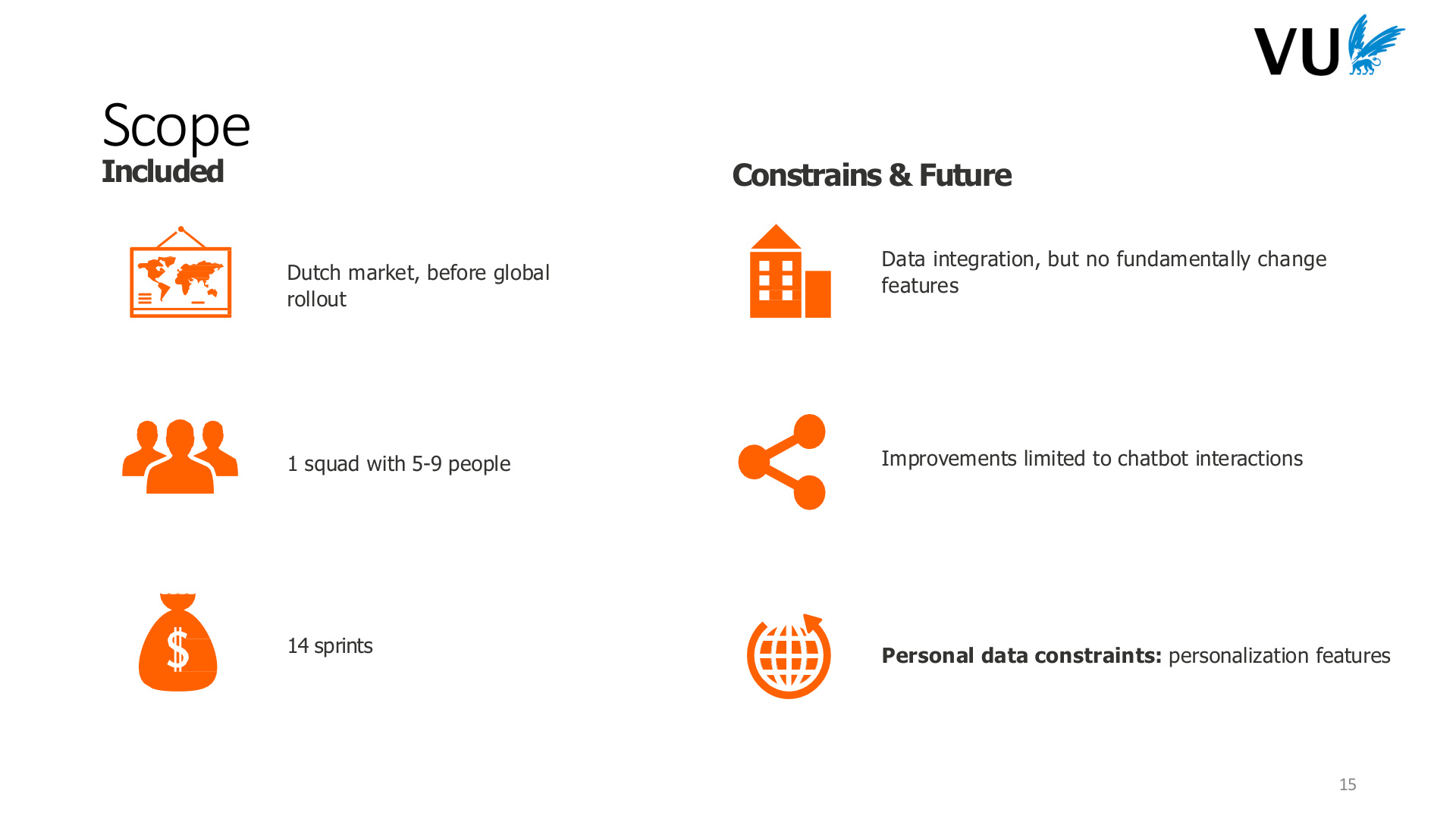
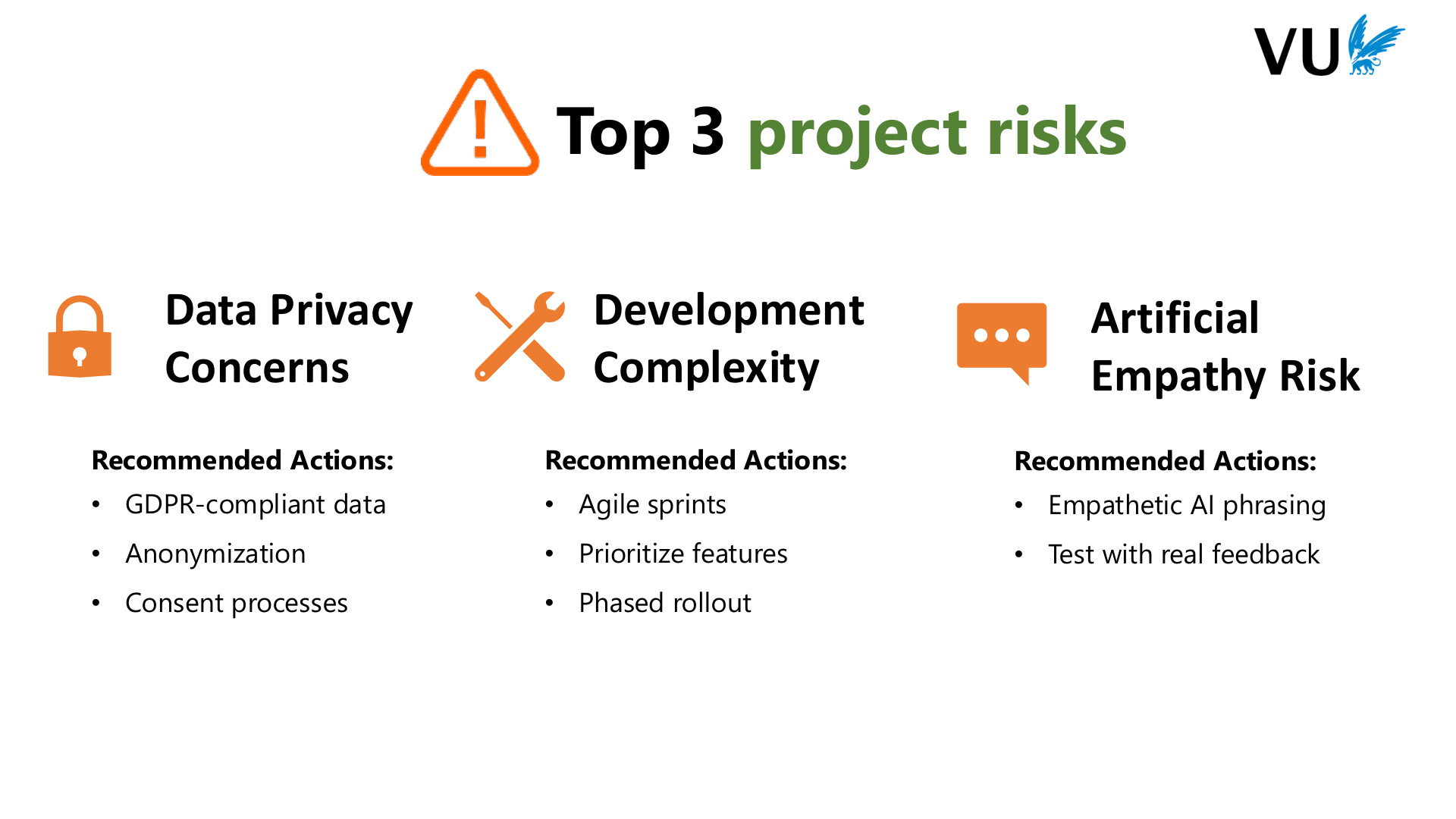
ING came to our group with a real problem: their chatbot was resolving over 75% of customer queries, yet satisfaction scores remained consistently low. Customers found it cold, unclear, and impersonal. Our group, Project Horizon, was tasked with designing a solution.
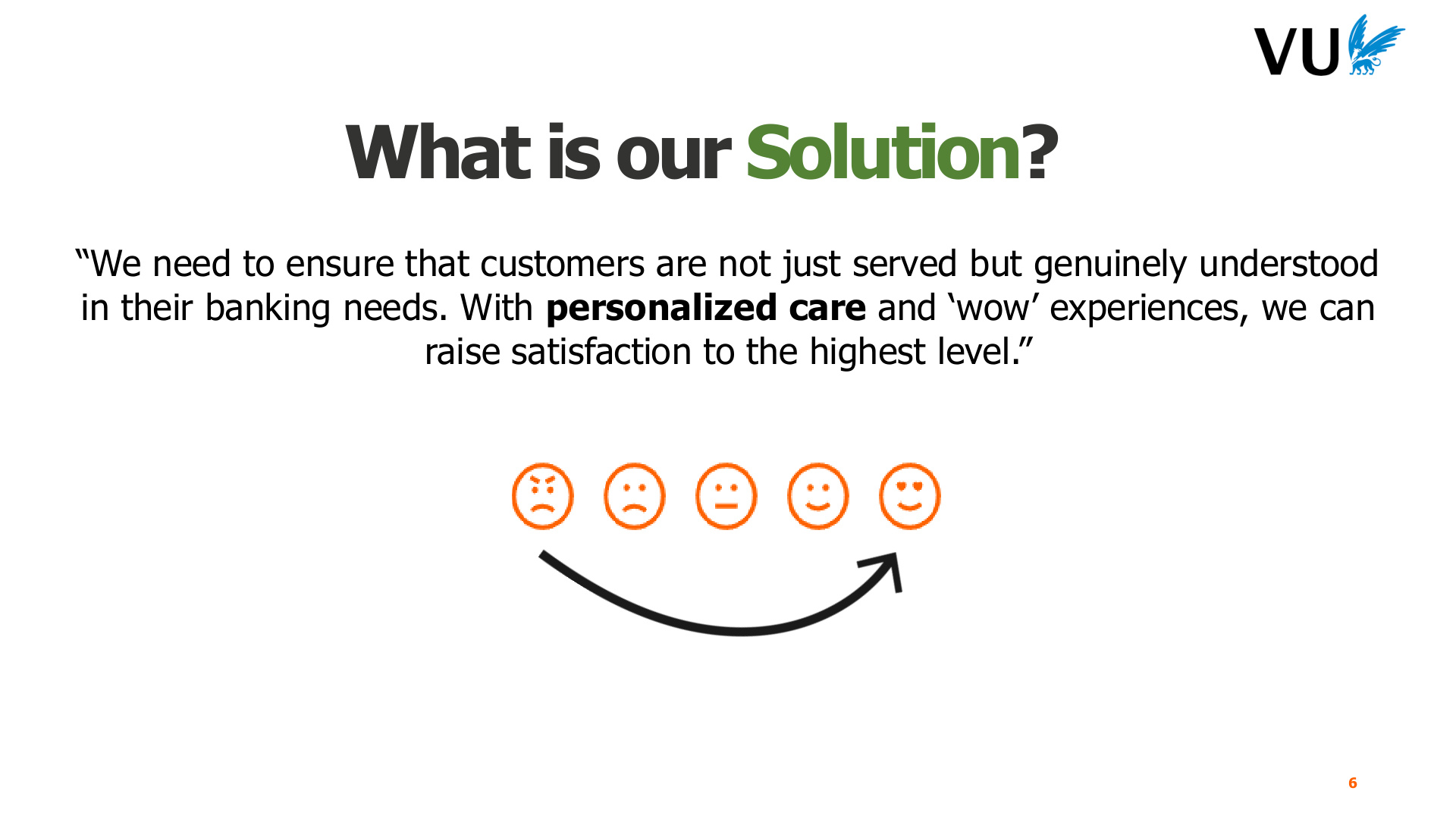
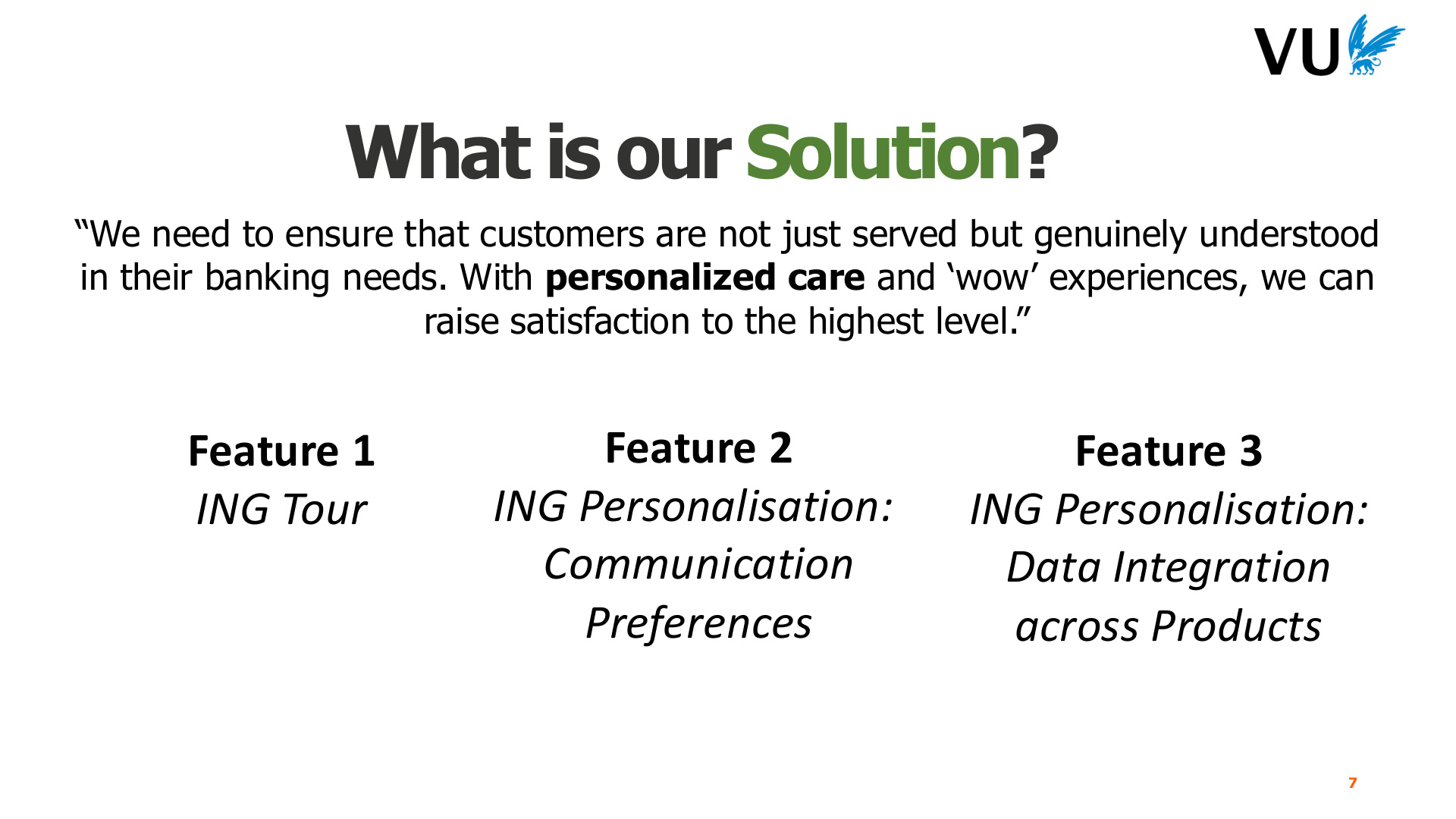
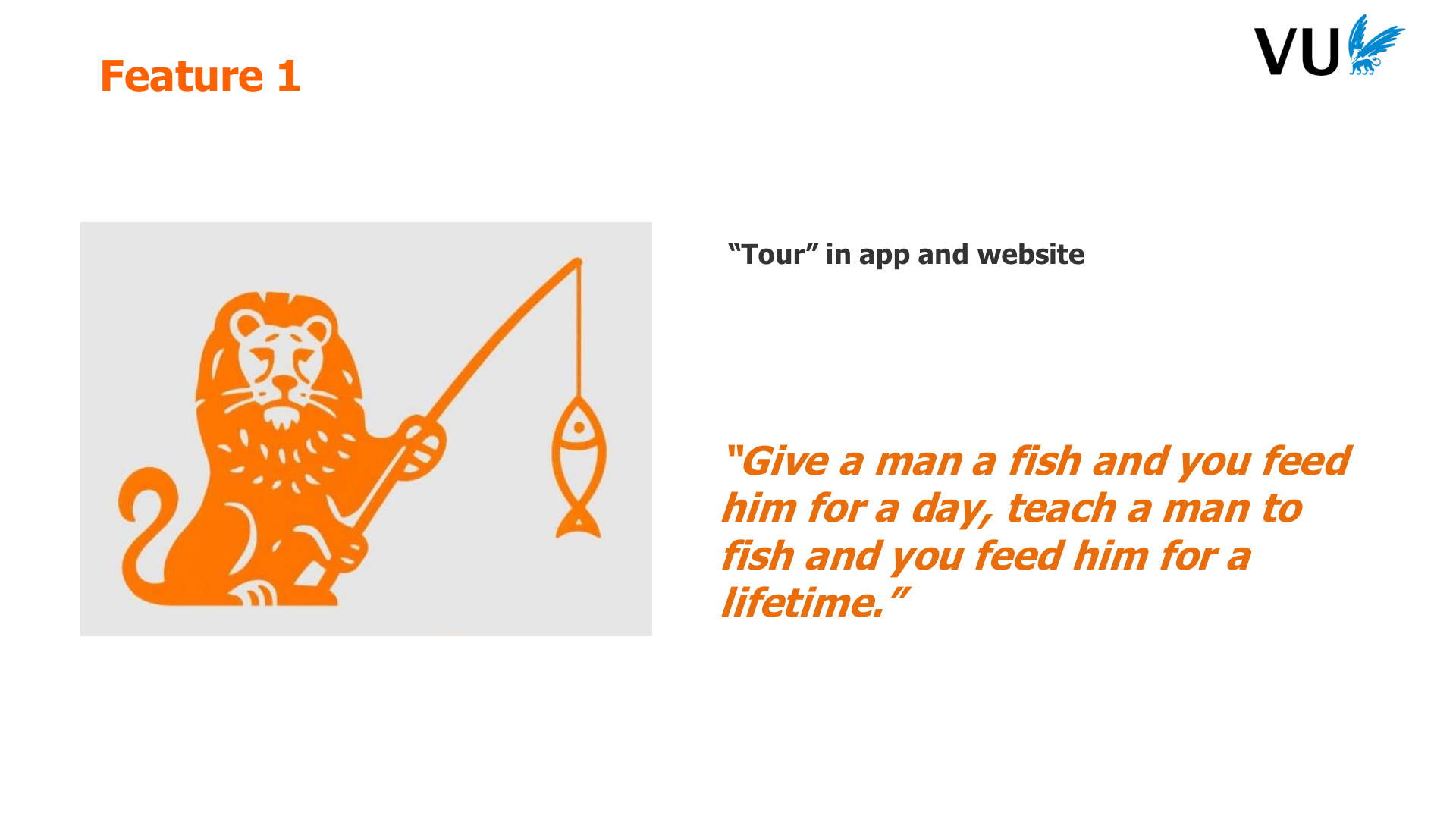
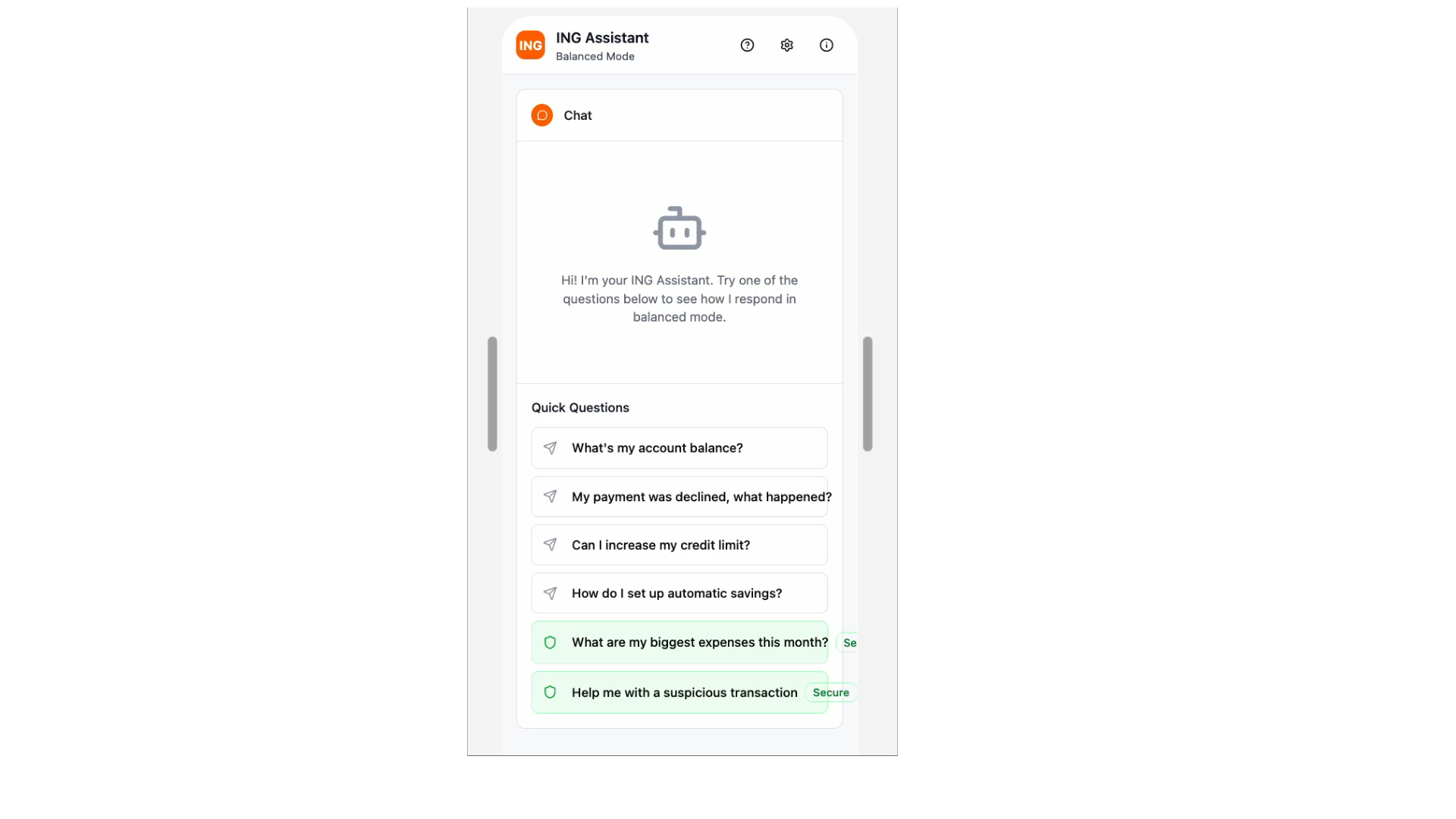
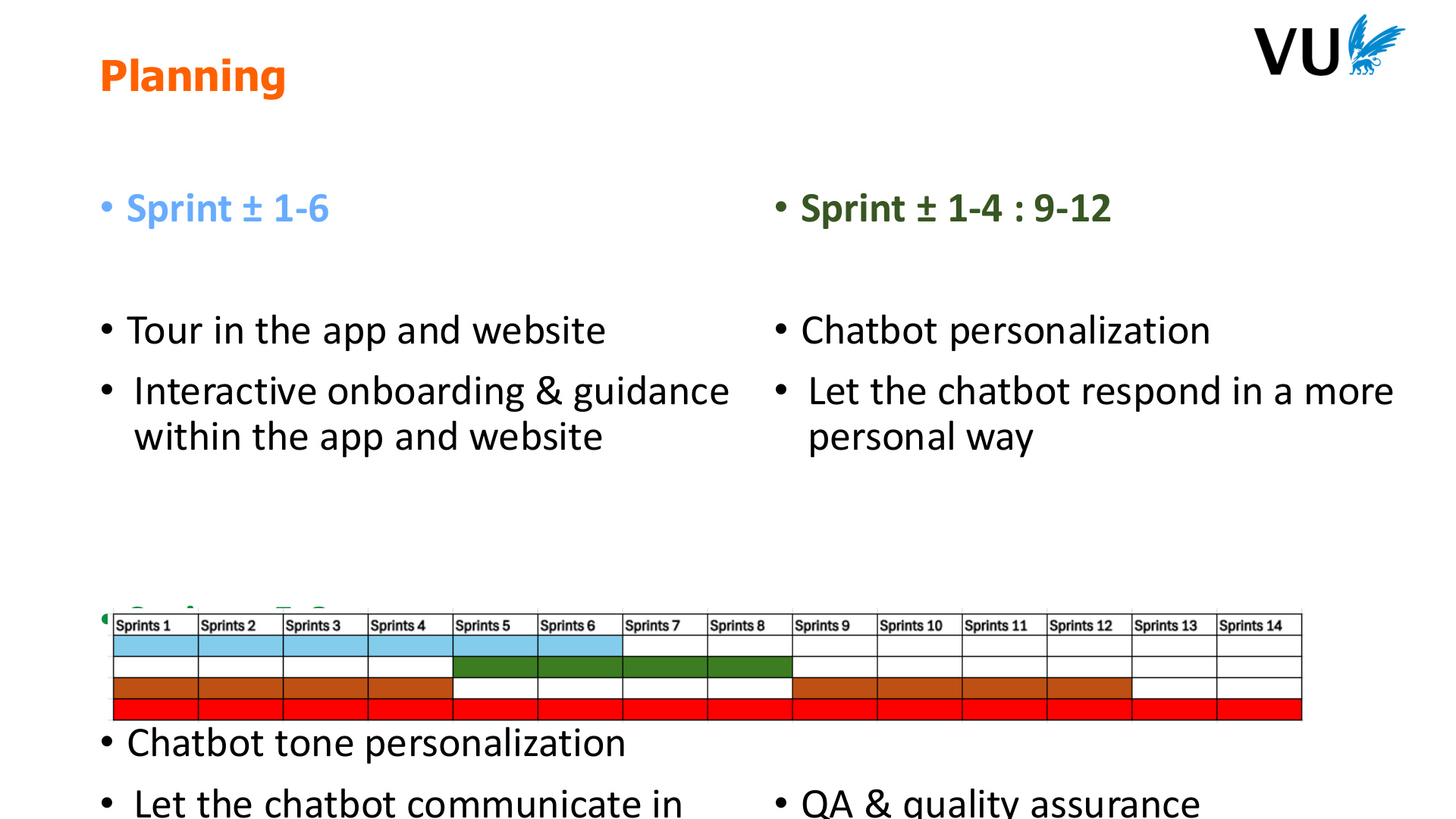
We developed three features. The first was the ING Tour: an interactive, step-by-step in-app guide that walks customers through banking tasks rather than just answering their questions. The idea came from a simple insight borrowed from an old proverb: give a man a fish and you feed him for a day, teach a man to fish and you feed him for a lifetime. Instead of the chatbot doing the action for the customer, it would show them how to do it themselves. The second feature introduced personalised tone of voice, letting customers choose between direct, empathic, or balanced communication styles. The third used existing ING data to make chatbot responses context-aware and personally relevant.
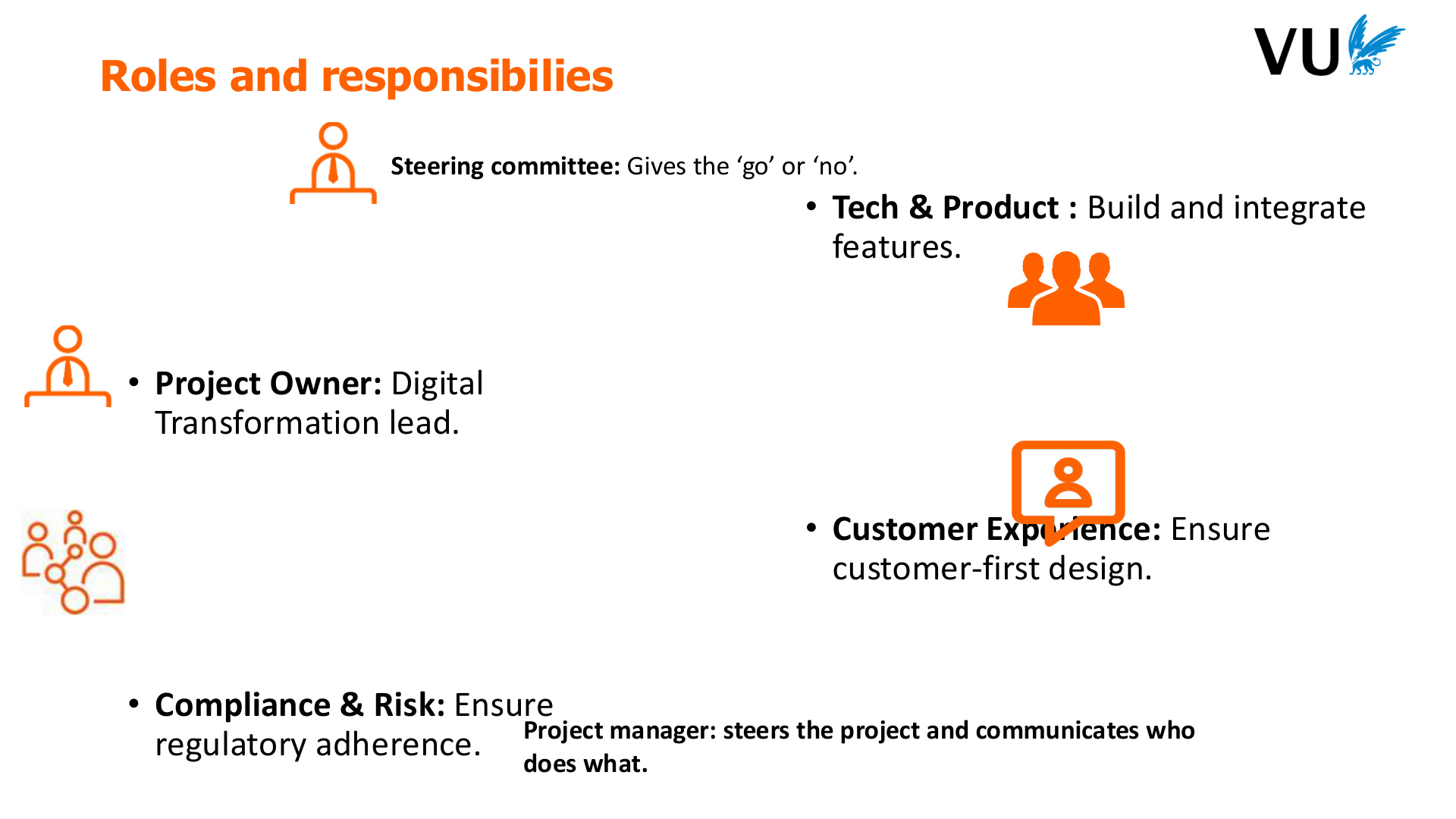
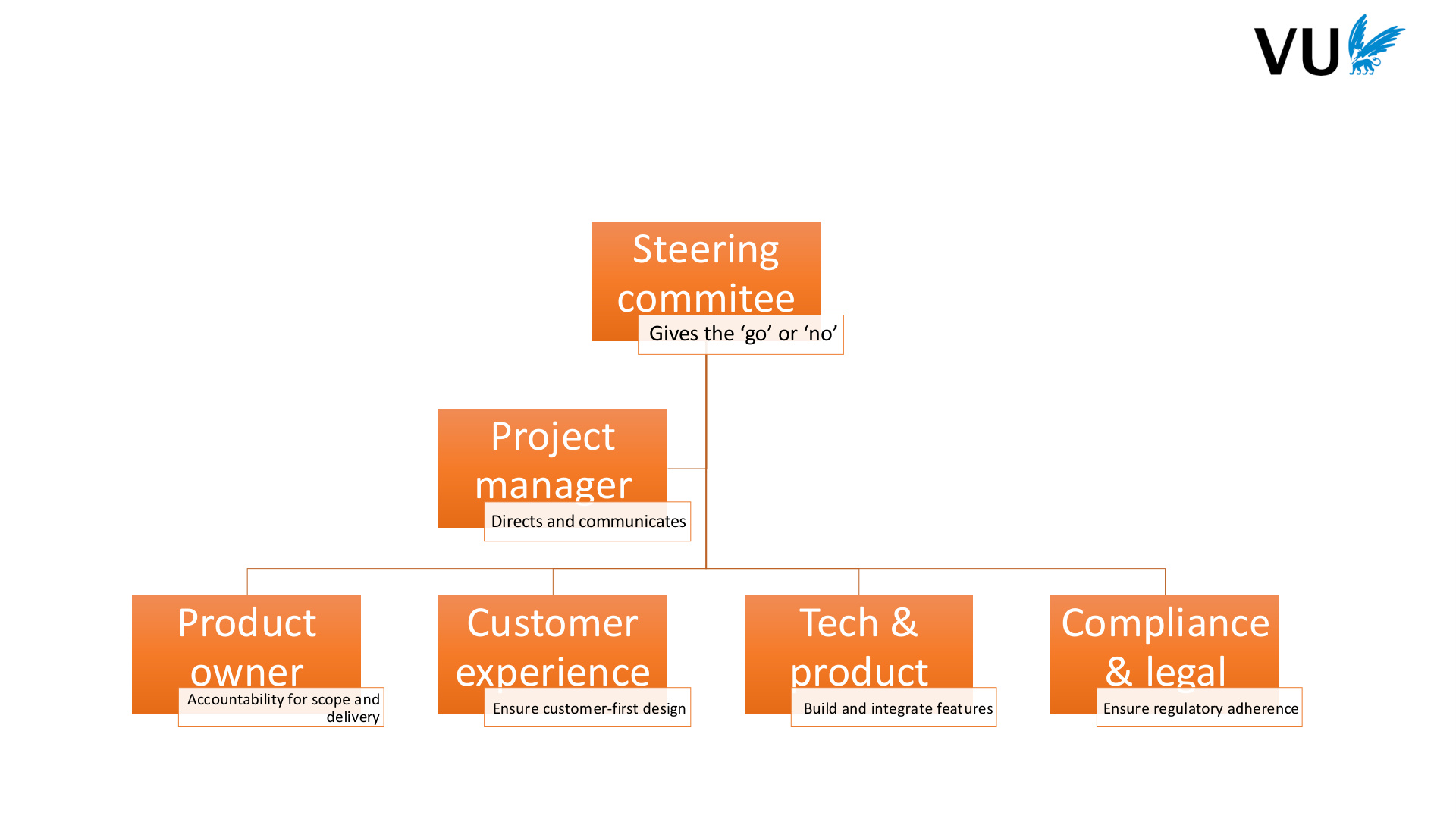
My teammate Thea built a full mock-up app to demonstrate the Tour feature to the ING panel. Seeing what she had produced pushed me to raise the standard of my own contribution. I took on the role of keeping everyone accountable to the timeline and making sure the effort each person put in was visible and recognised within the group.
Looking back at the Daan who started a bachelor's at this same university in 2018, I ran a different race this year. I used to keep to myself, rely on a handful of people, and let deadlines do the motivating. This year I came to Amsterdam on days I had no classes. I made full days from 9:00 to 18:00, studying in the morning and recruiting in the afternoon, specifically so I could be around the people I met on this programme and learn from how they think.
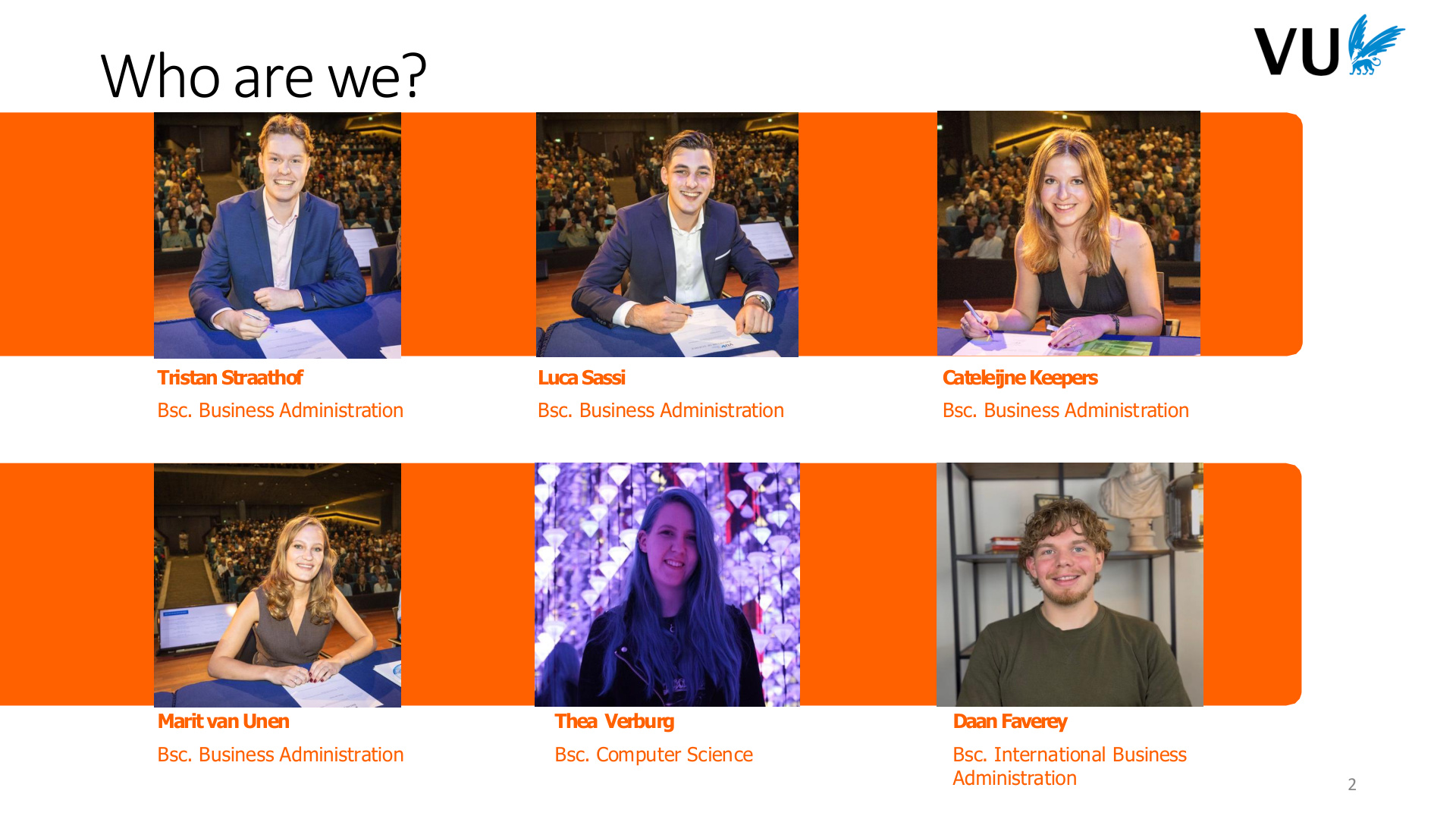
The group on the ING project is a good example. From the outside, these were not people I would have gravitated toward. Tristan was composed in a way that used to make me keep my distance, Thea was a computer science student in a business course. But once I actually showed up and spent time with them, I found people I had a lot to learn from. Tristan never let tasks sit. Whatever needed doing, he would get it done and stop worrying about it. I tend to let things linger until close to the deadline. Watching him work made me more aware of that pattern in myself.
I like to think I gave something back too. When Tristan mentioned he was considering taking two years for the master's to have more time to work alongside it, I pushed back. You can finish in one year and have far more time afterwards. He took that on board. Small moments like that remind me that showing up fully is not just good for me. It tends to be good for the people around me too.
I know how to operate in a high-standard group without losing myself in it. I can hold others accountable without creating friction, give credit without needing it back, and raise my own game when I see the people around me raising theirs. I also know how to build real professional relationships, not just working ones. That combination of social intelligence and personal discipline is what made this year work, and it is what I bring into a team.
"The people around me this year made me better. But would I have found the same motivation
without them, and how do I make sure I bring that same energy to environments where the group
is not as strong?"
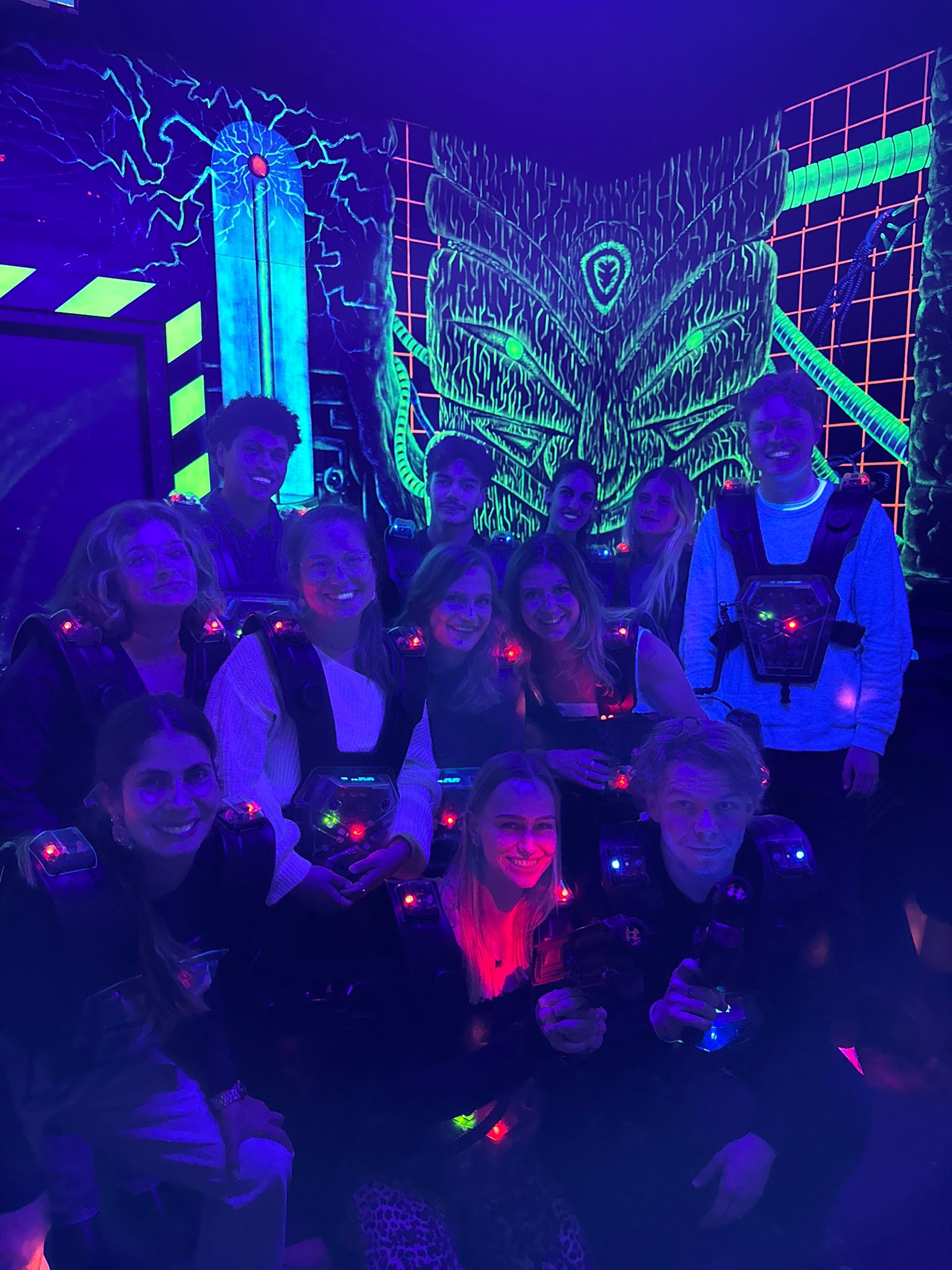
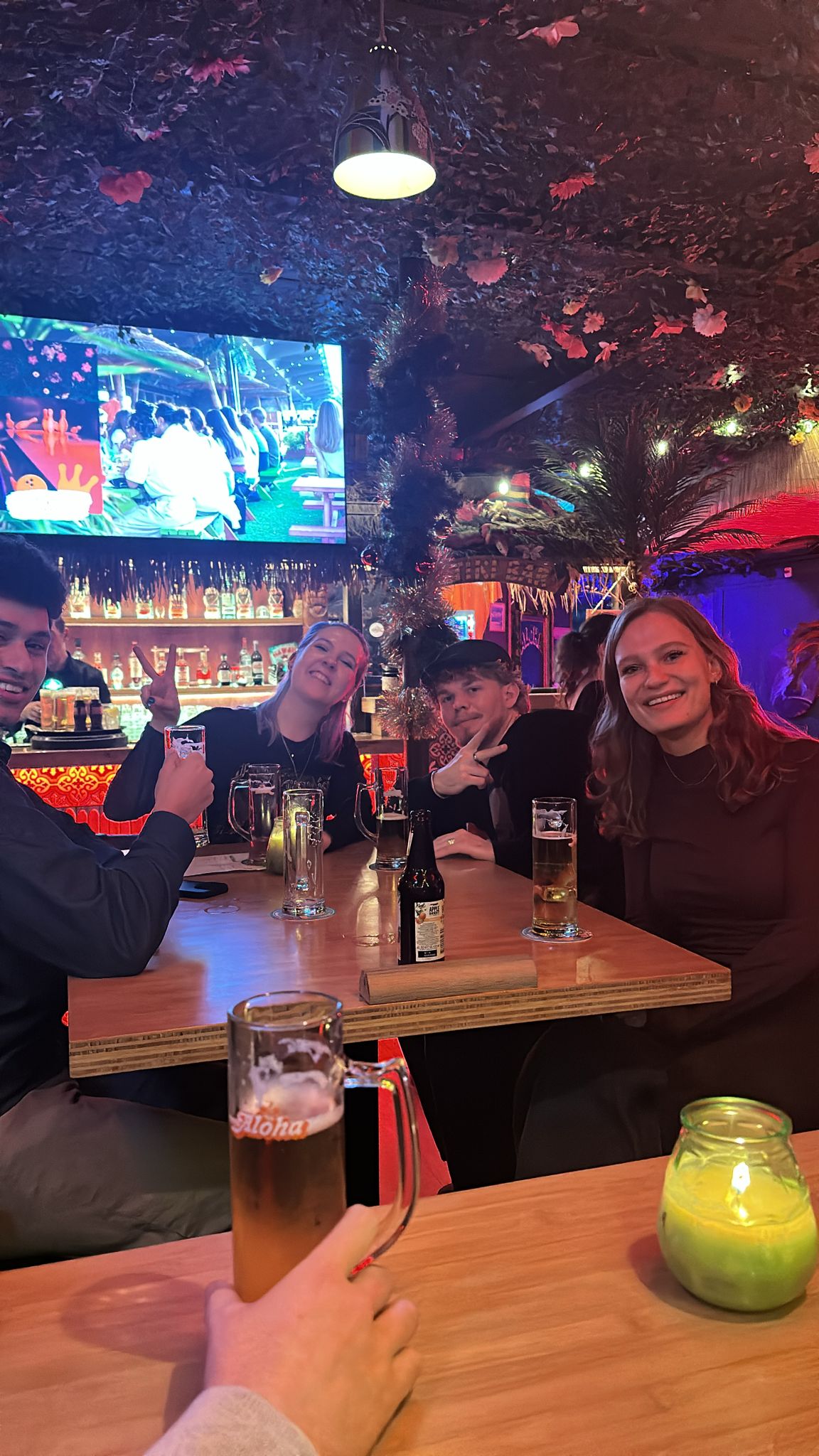
After the work was done.
Broad Horizon
Communicative Skills
Extracurricular · Host Role
Veranderen voor de Toekomst (Changing for the Future) is the premier annual congress for change management professionals in the Netherlands, held at Fort Voordorp in Groenekan. Over 40 change management experts participated, including Hans Vermaak, Jaap Boonstra, Danielle Zandee, and investigative journalist Jeroen Smit. I was invited by Shirine Moerkerken to welcome all 500 attendees and guide them through the full day as host, and beyond that to participate in workshops and discussions as a representative of the youngest generation in the room, ensuring the conversations did not become too grey. The programme ran from a photographic exhibition in the morning through plenary sessions, two rounds of rotating workshops, and a closing address, deliberately crossing the boundaries of sector, discipline, and professional comfort zone.
Hosting a professional congress requires a specific kind of communicative intelligence: you cannot prepare for every moment, but you have to hold the room regardless. I had to introduce speakers I hadn't met before, connect themes across sessions that weren't written to connect, and keep energy in a room of professionals who had high expectations and limited patience for filler. This is different from presenting, it requires reading the room continuously and adjusting in real time.
The sessions I found most uncomfortable were the ones furthest from my own field: particularly the discussion around the North Sea as a stakeholder in its own right, and the question of what a 30 to 50 year change plan looks like when it has to be politically neutral. My instinct was to anchor those conversations in familiar change management language. What worked better was sitting with the unfamiliarity and letting the speakers pull me, and the audience, somewhere new. I left with a clearer sense of what "broad horizon" actually means in practice: not knowing more topics, but being genuinely curious about ones you don't yet understand.
Change management does not happen in a single sector or discipline. Practitioners who can only work inside their own expertise silo become a ceiling on the ambition of the organisations they work for. An employer hiring for change roles needs people who are comfortable being the least informed person in the room, and who can still add value there. This experience is evidence that I can do that.
During my bachelor's I would never have put myself forward for something like this. What changed is a simple belief: als je doet wat je deed, dan krijg je wat je kreeg. I decided to sign up. Saying yes to this was a deliberate choice to become someone different from the student I was four years ago.
How much of my confidence as a host came from genuine comfort with the material,
and how much was performance? And does the distinction matter if the audience
couldn't tell the difference?
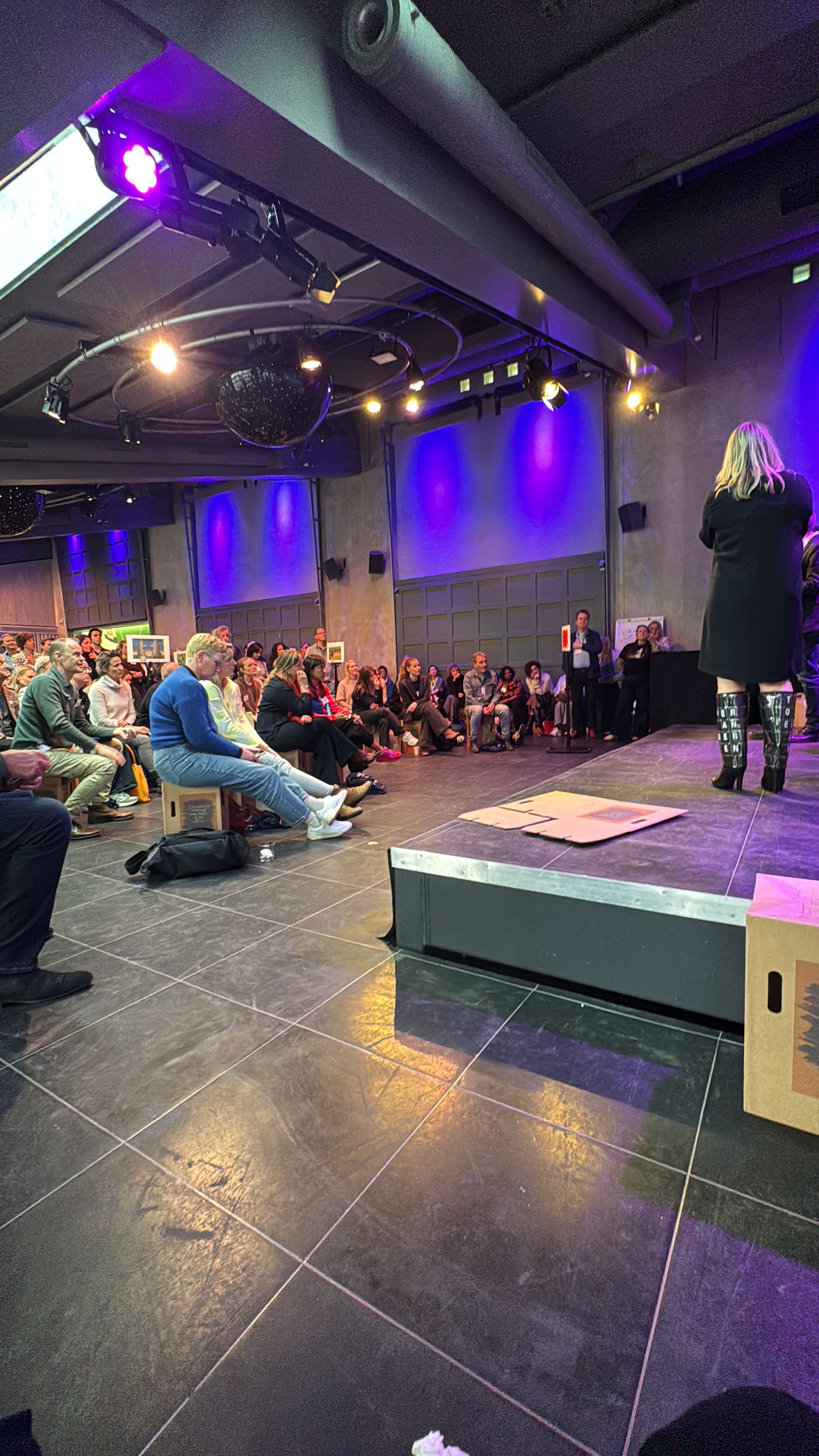
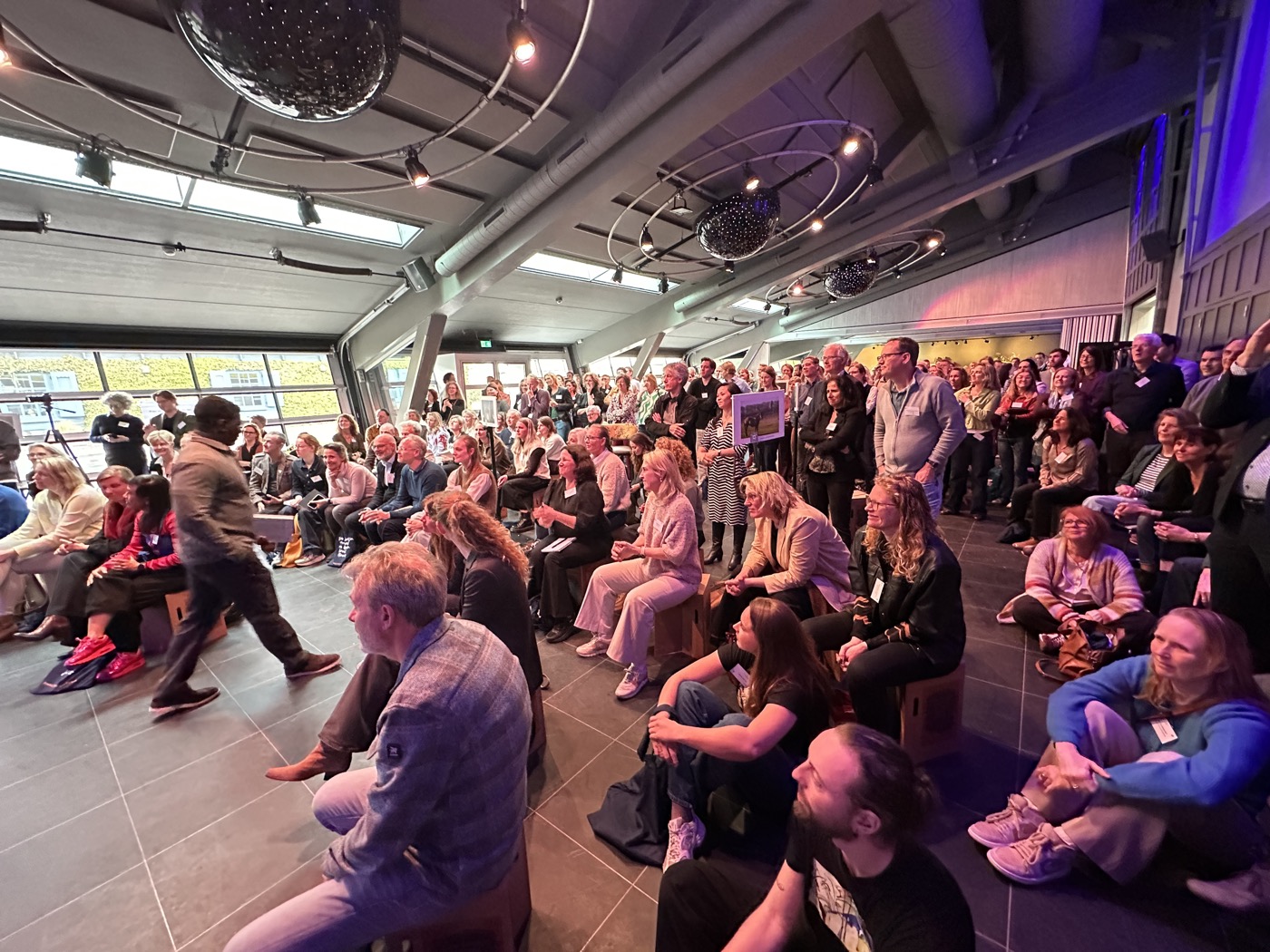
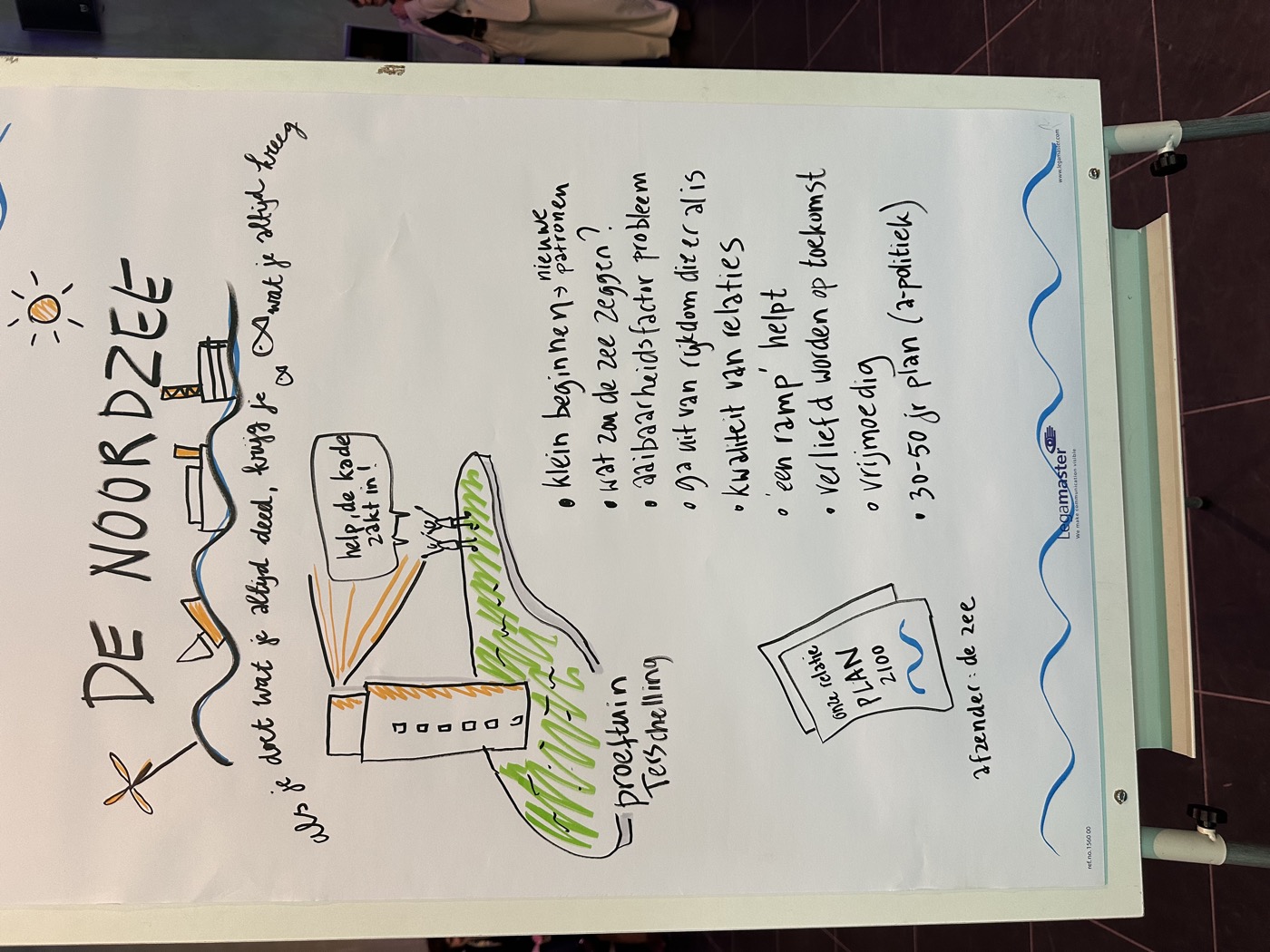
Top: congress floor, speaker on stage · Bottom left: audience during a session · Bottom right: visual scribing board from the De Noordzee session
Communicative Skills
Broad Horizon
PowerPoint Presentation
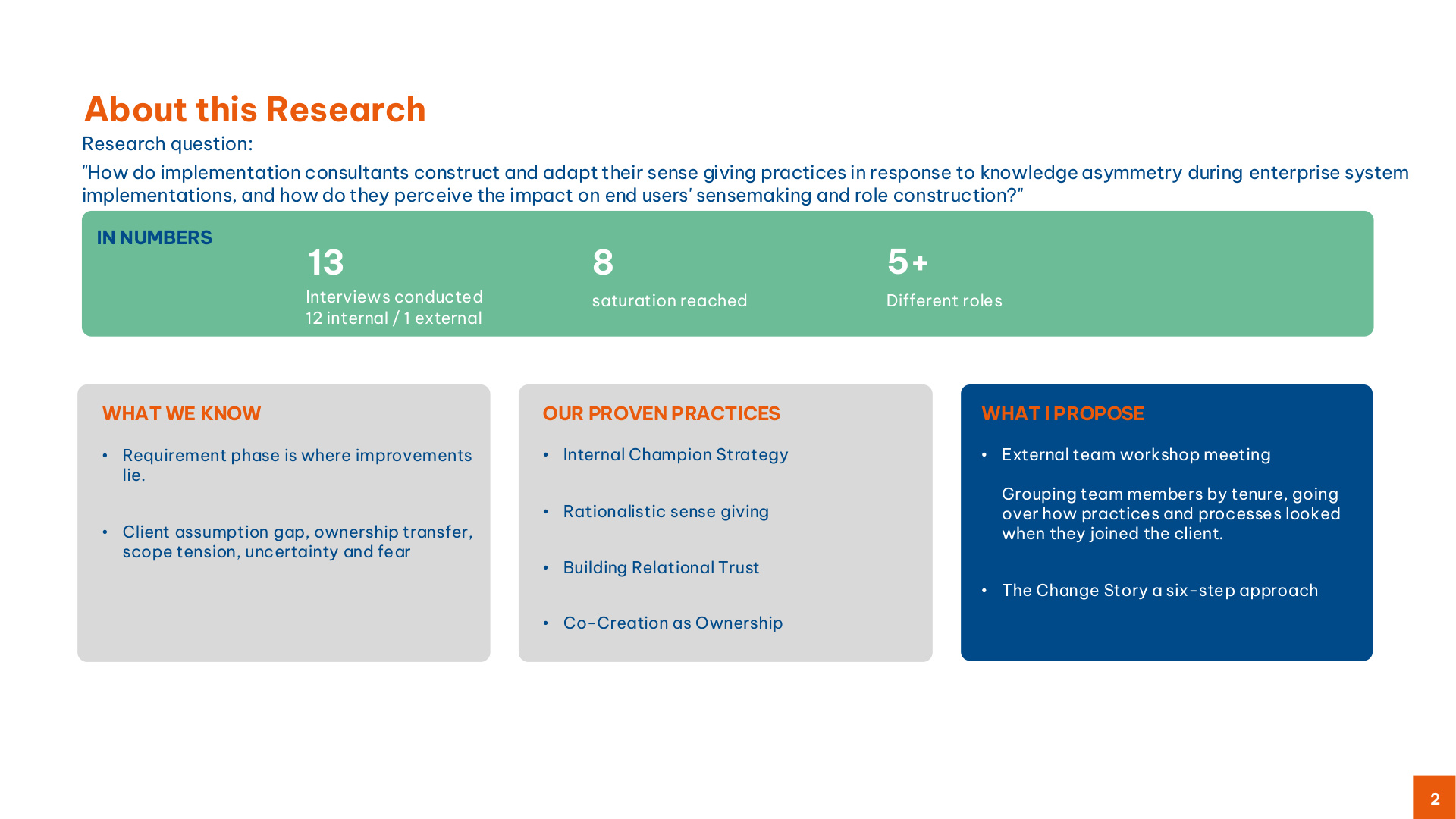
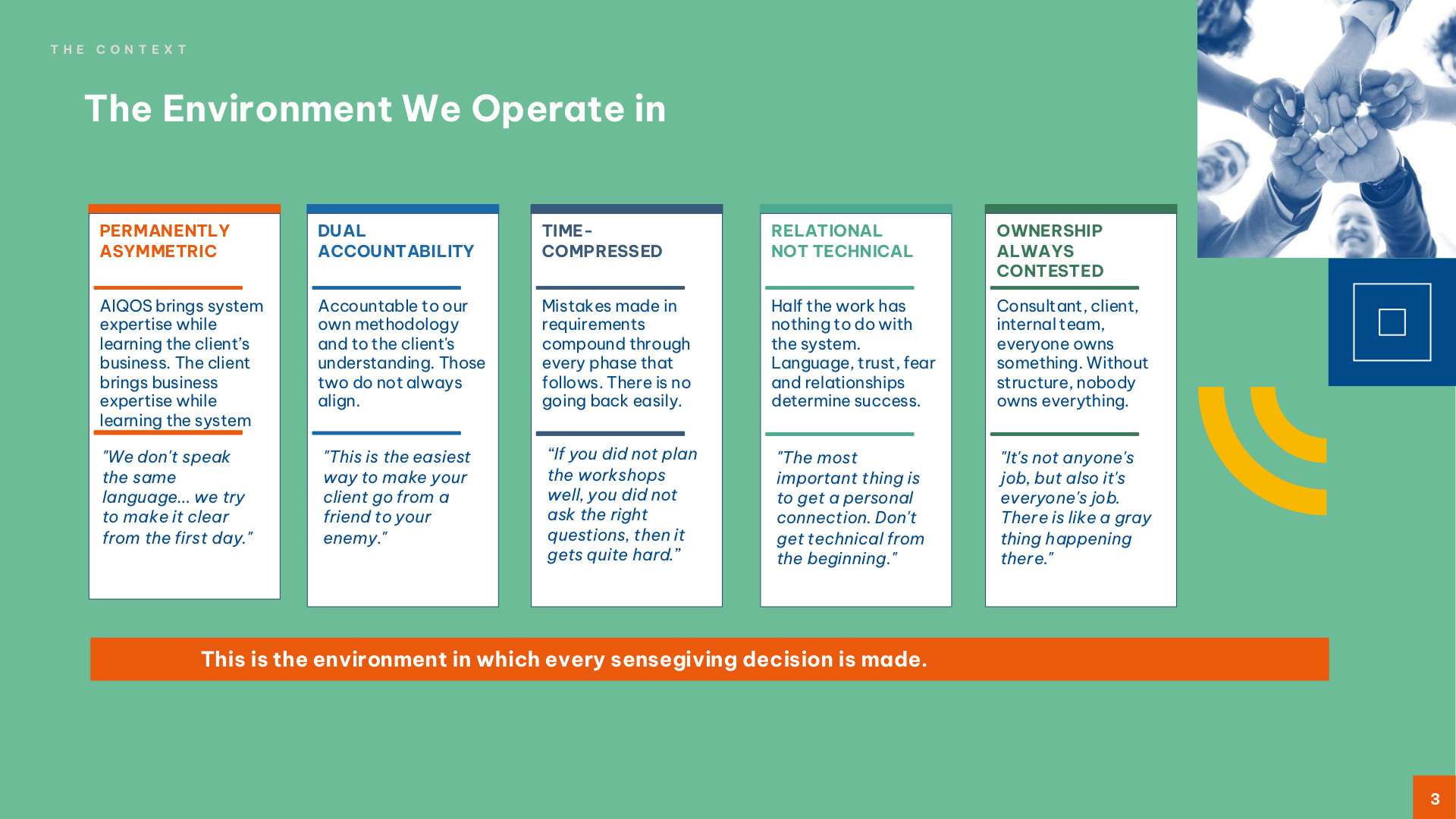
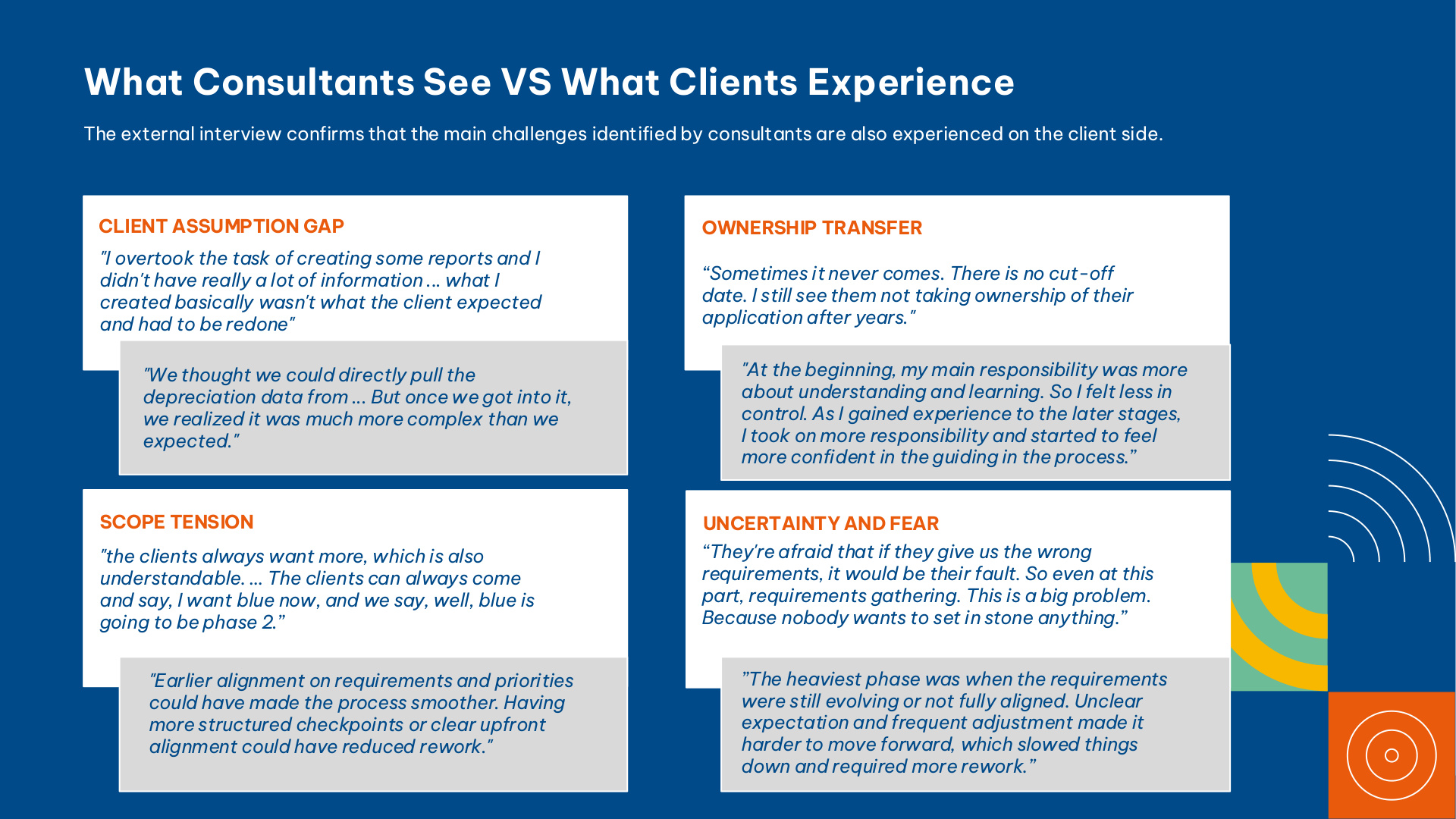
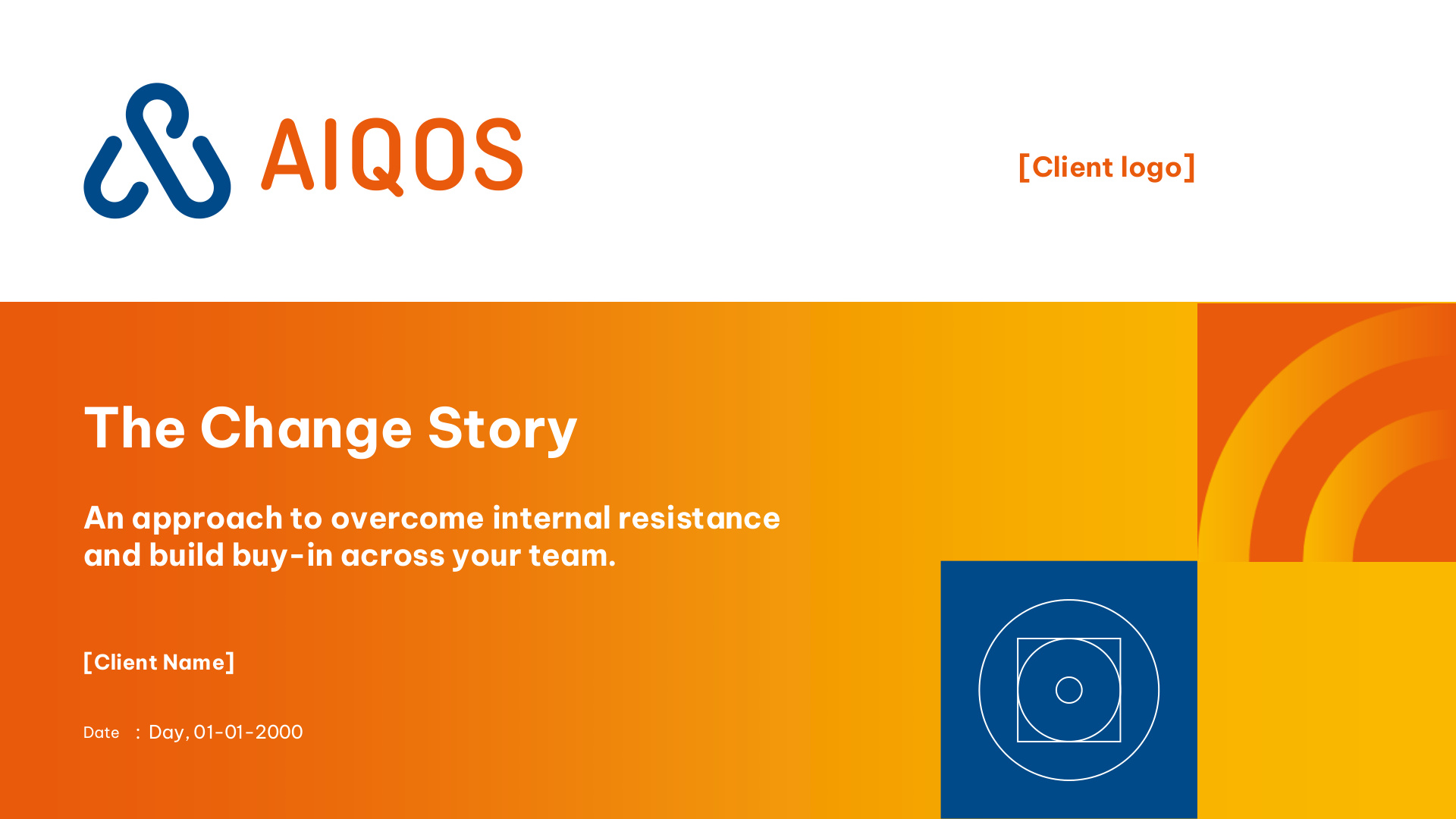
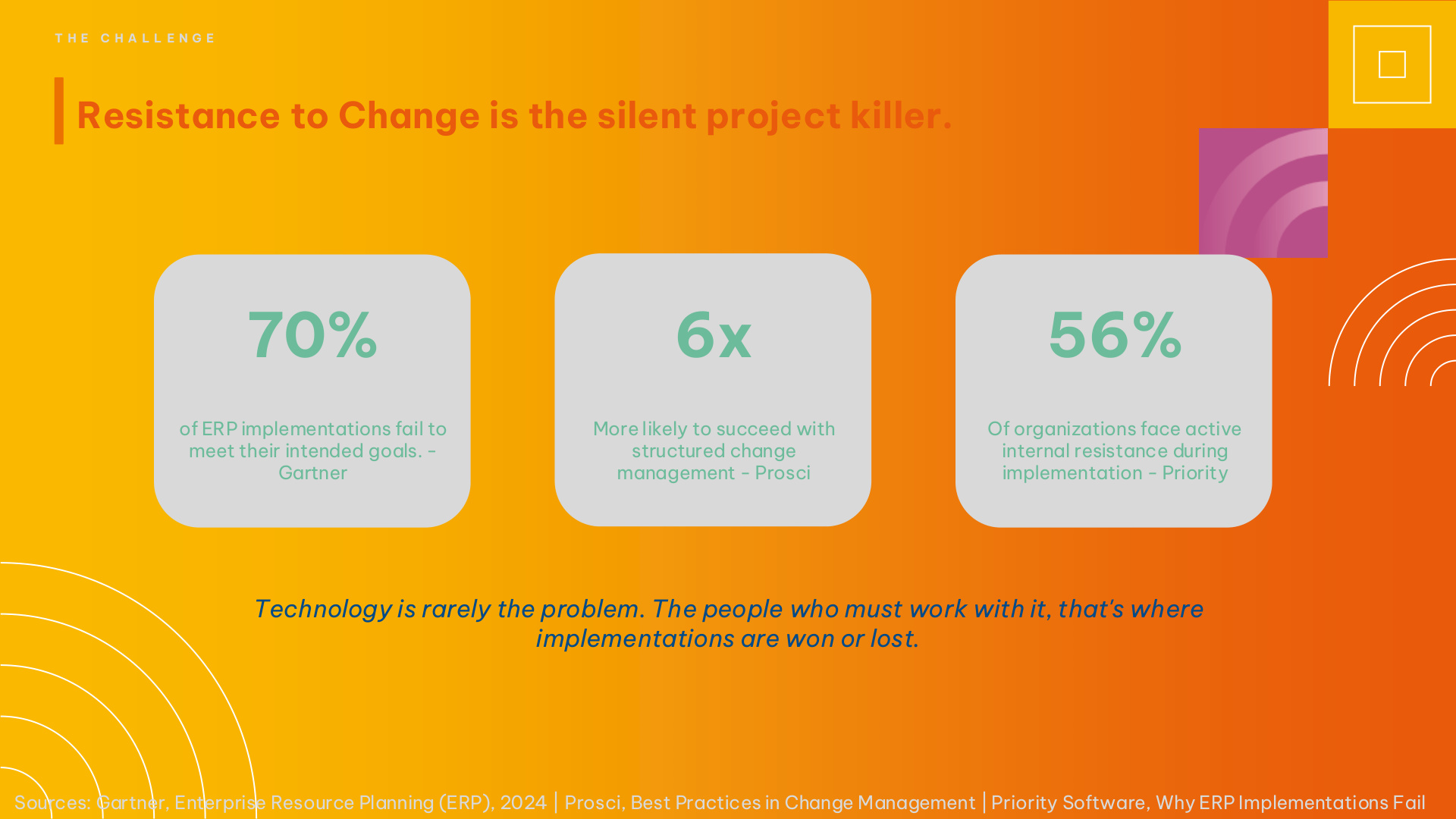
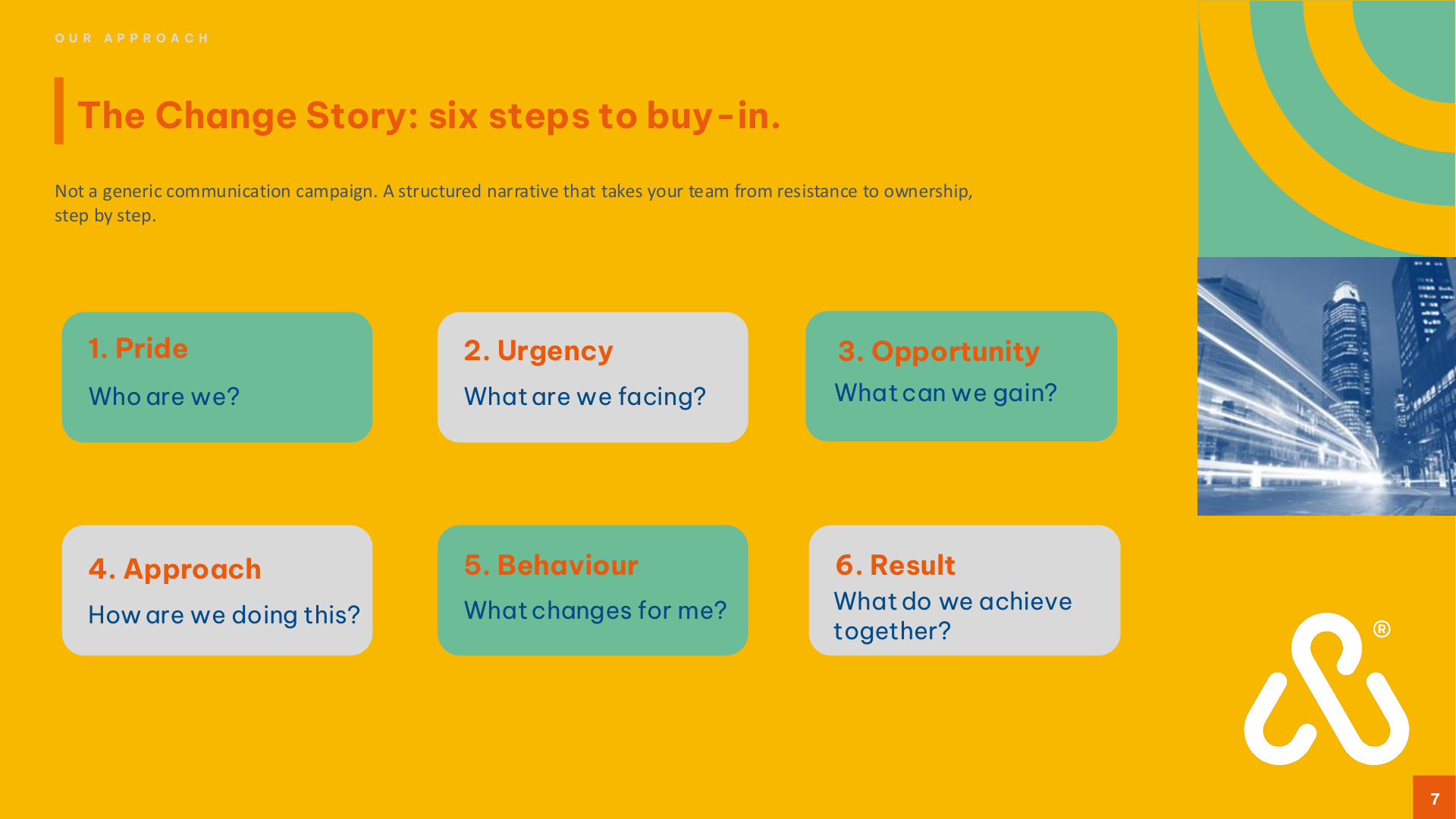
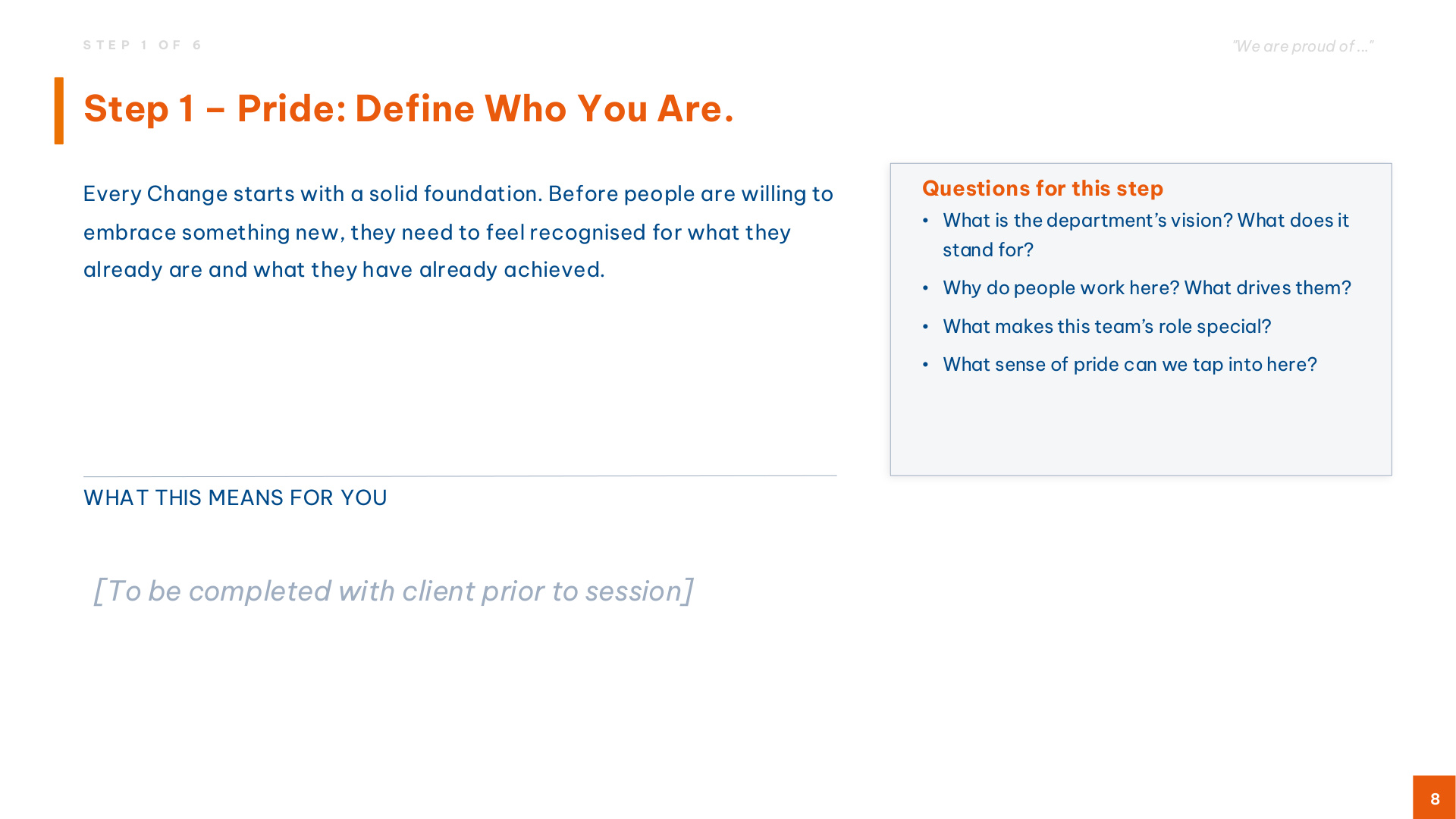
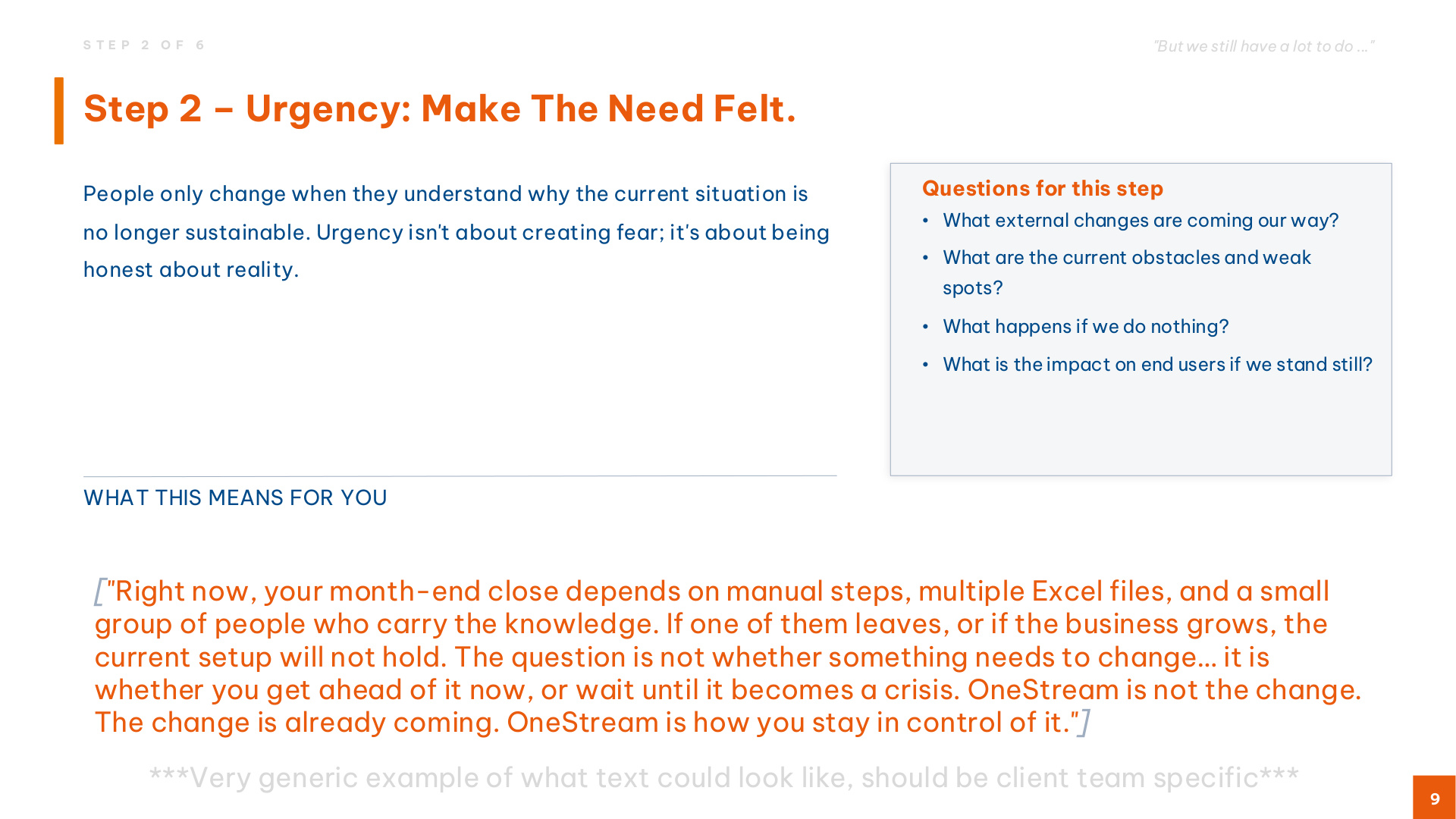
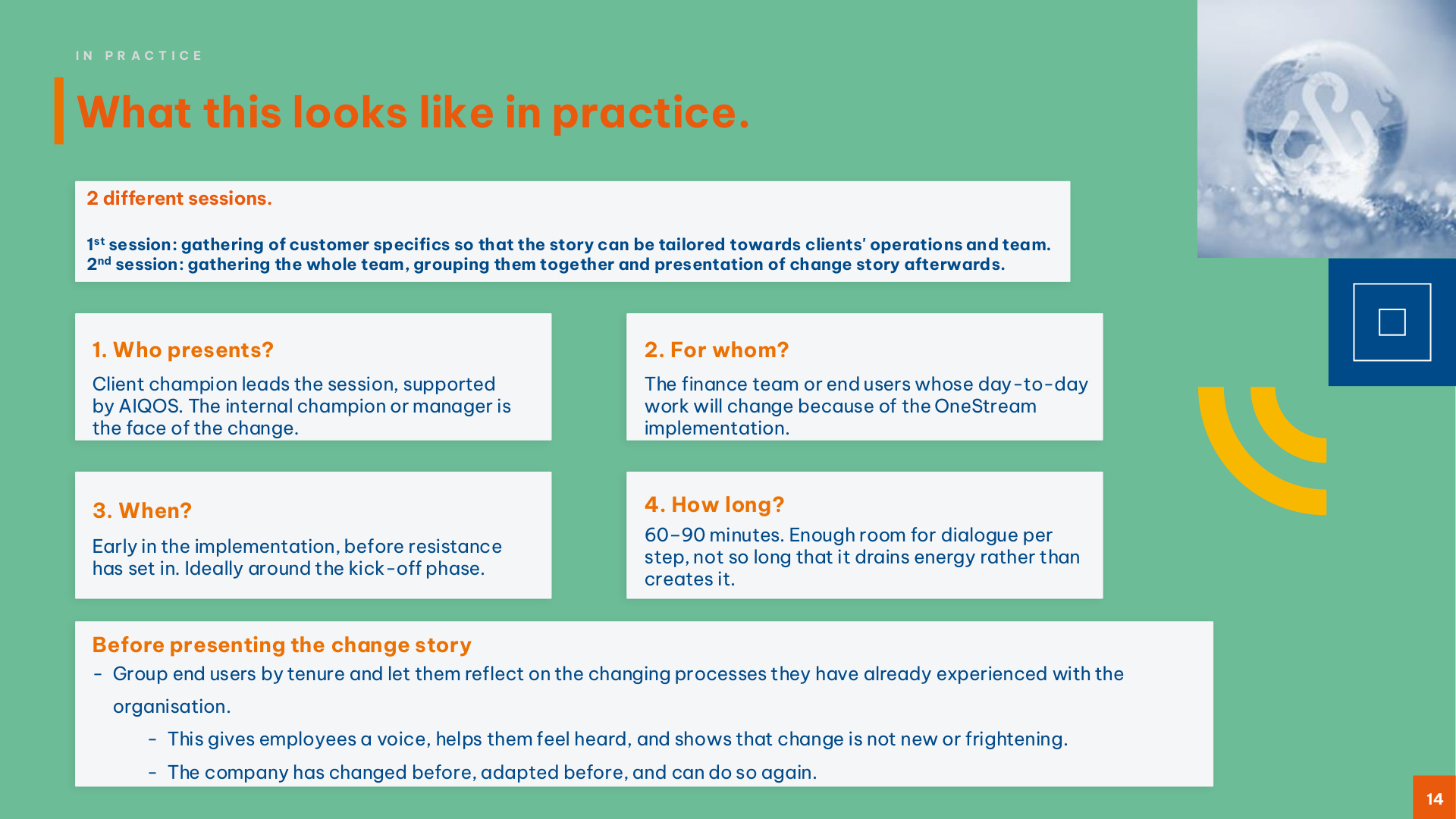
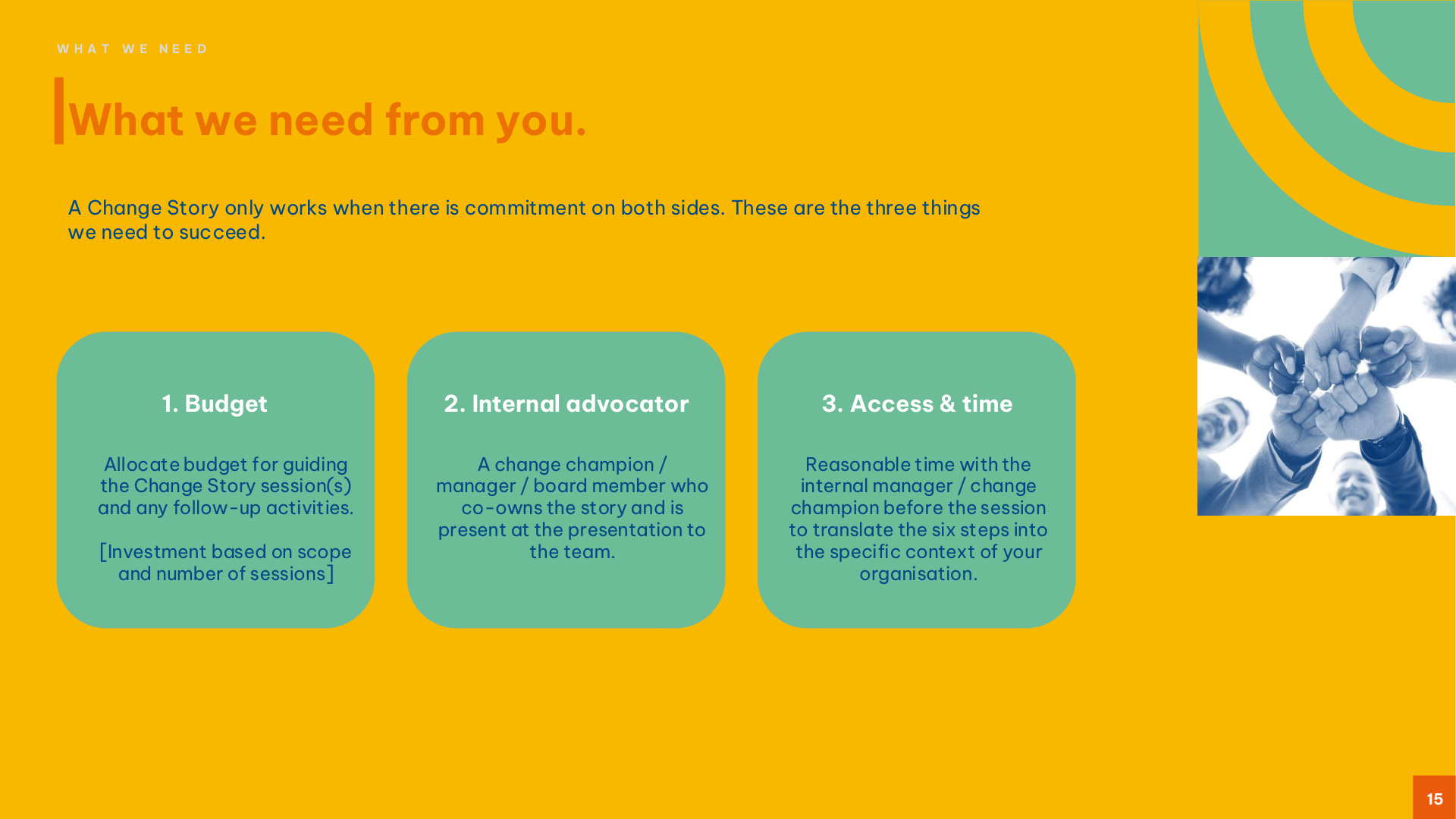
This presentation translates original qualitative research, 12 interviews with AIQOS implementation consultants and one external client, into a practical change management framework for the organisation. The audience was AIQOS leadership and consultants: people who know the subject deeply and would push back on anything vague or generic. The deck moves from research findings (knowledge asymmetry, resistance patterns, ownership gaps) to a concrete six-step tool called The Change Story, designed to be used directly with clients in the field.
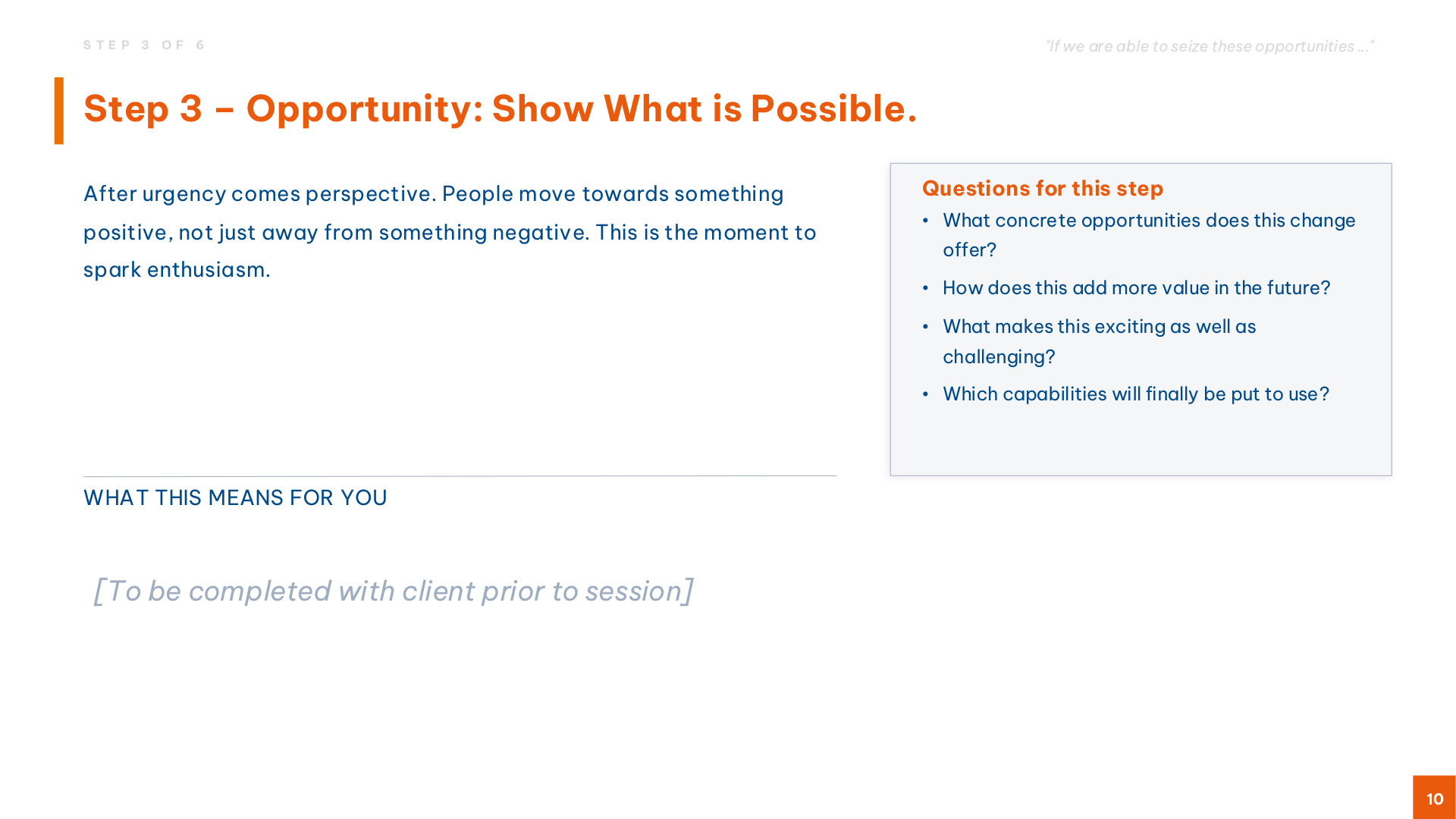
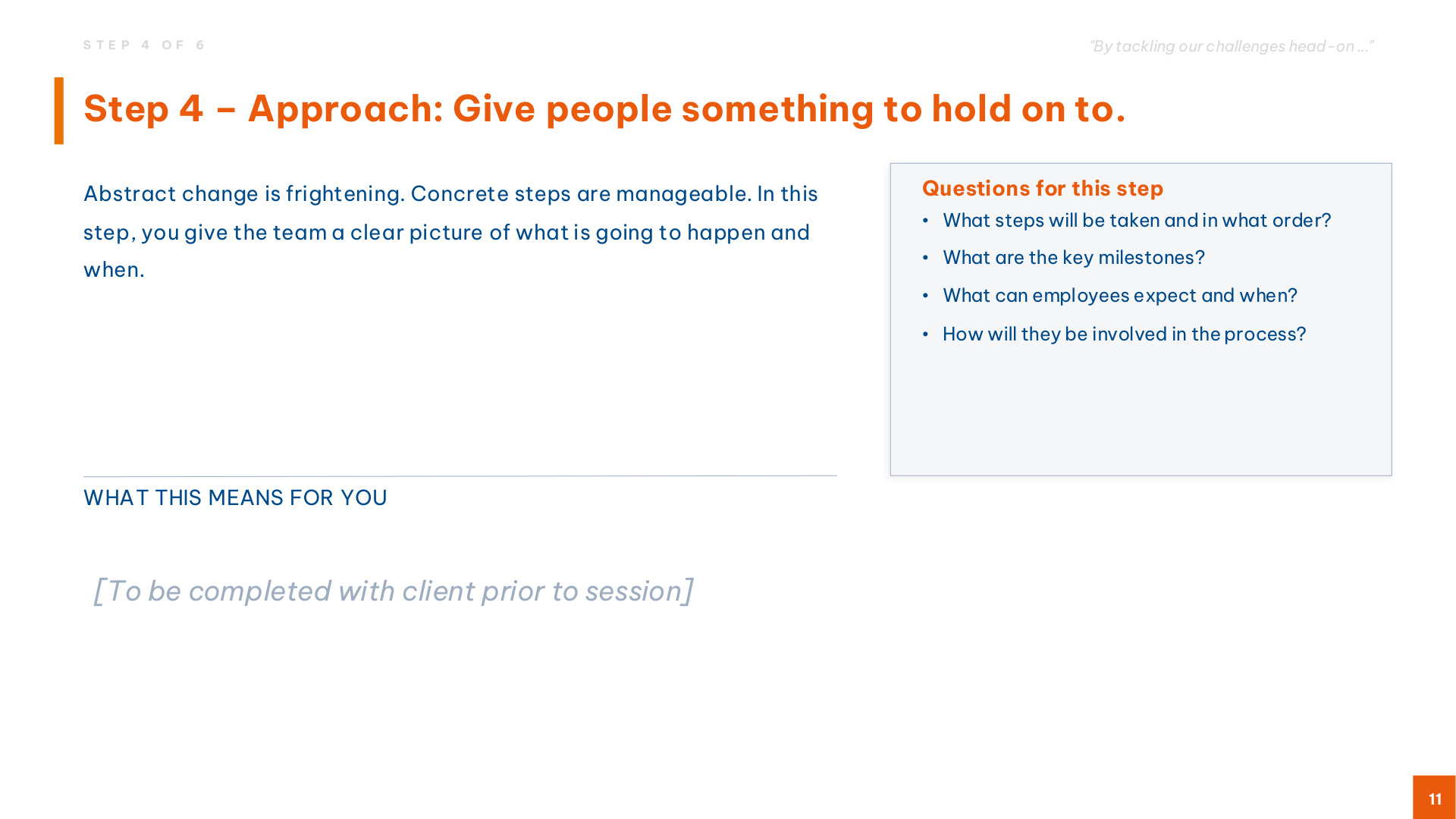
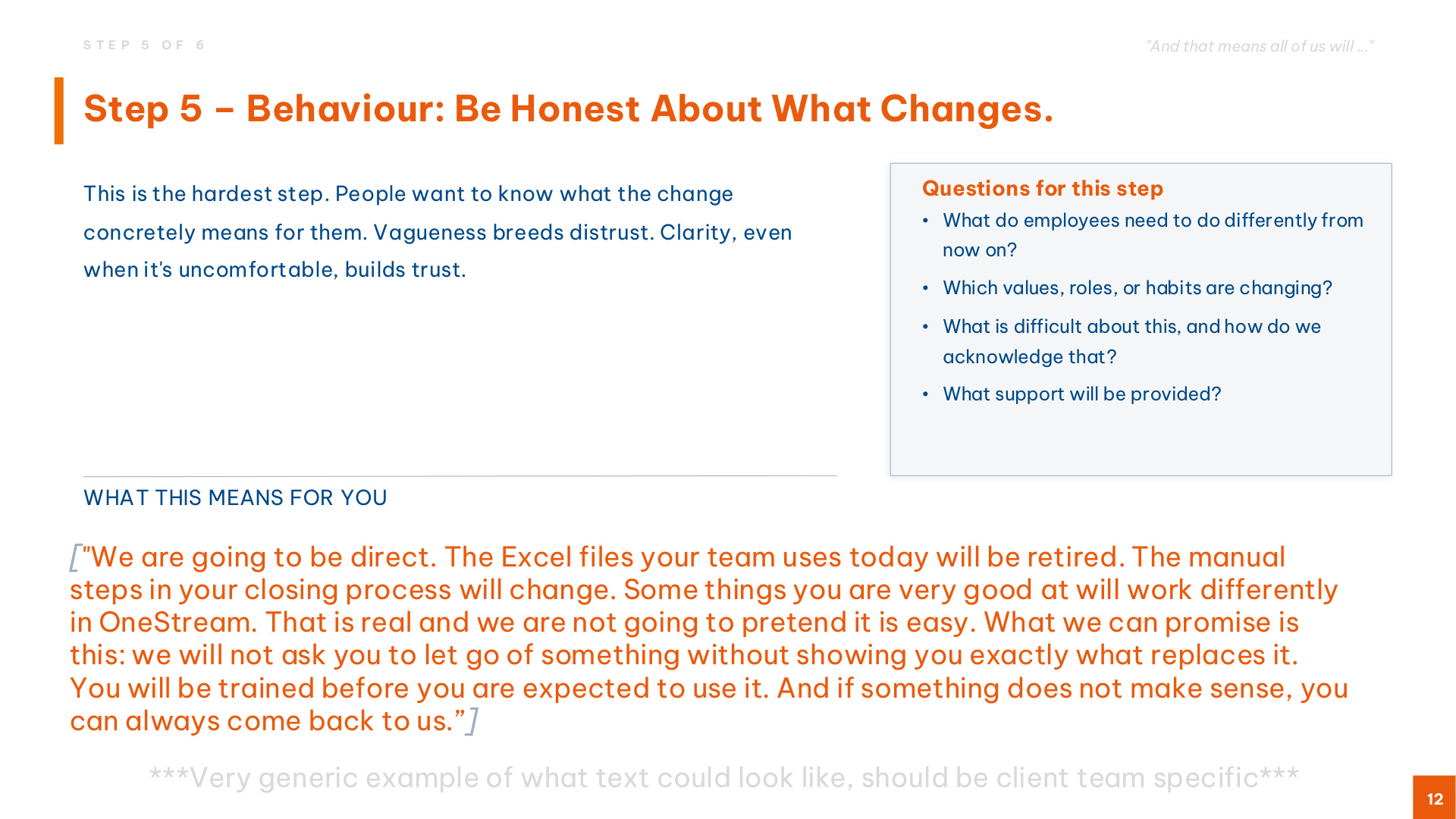
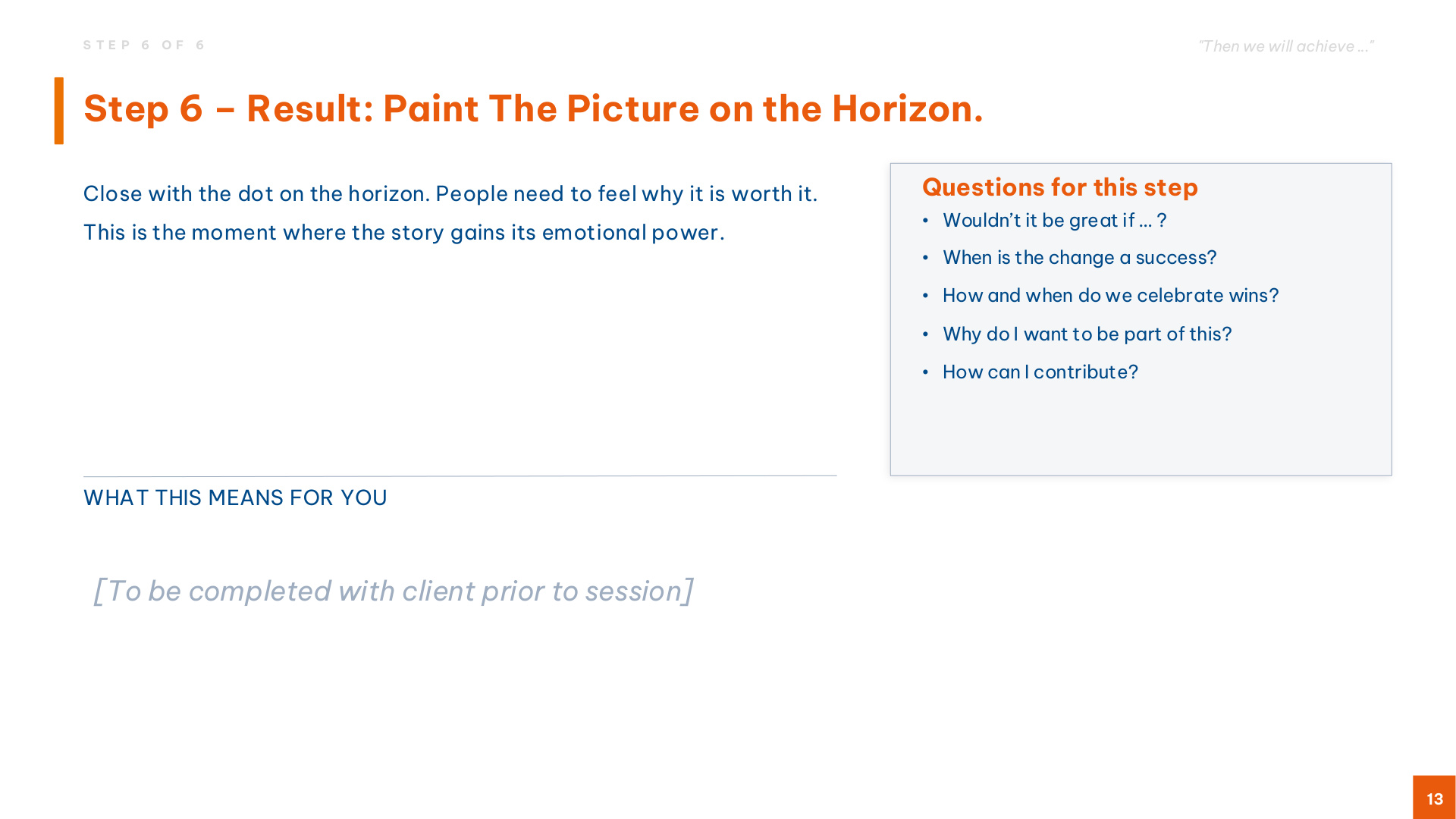
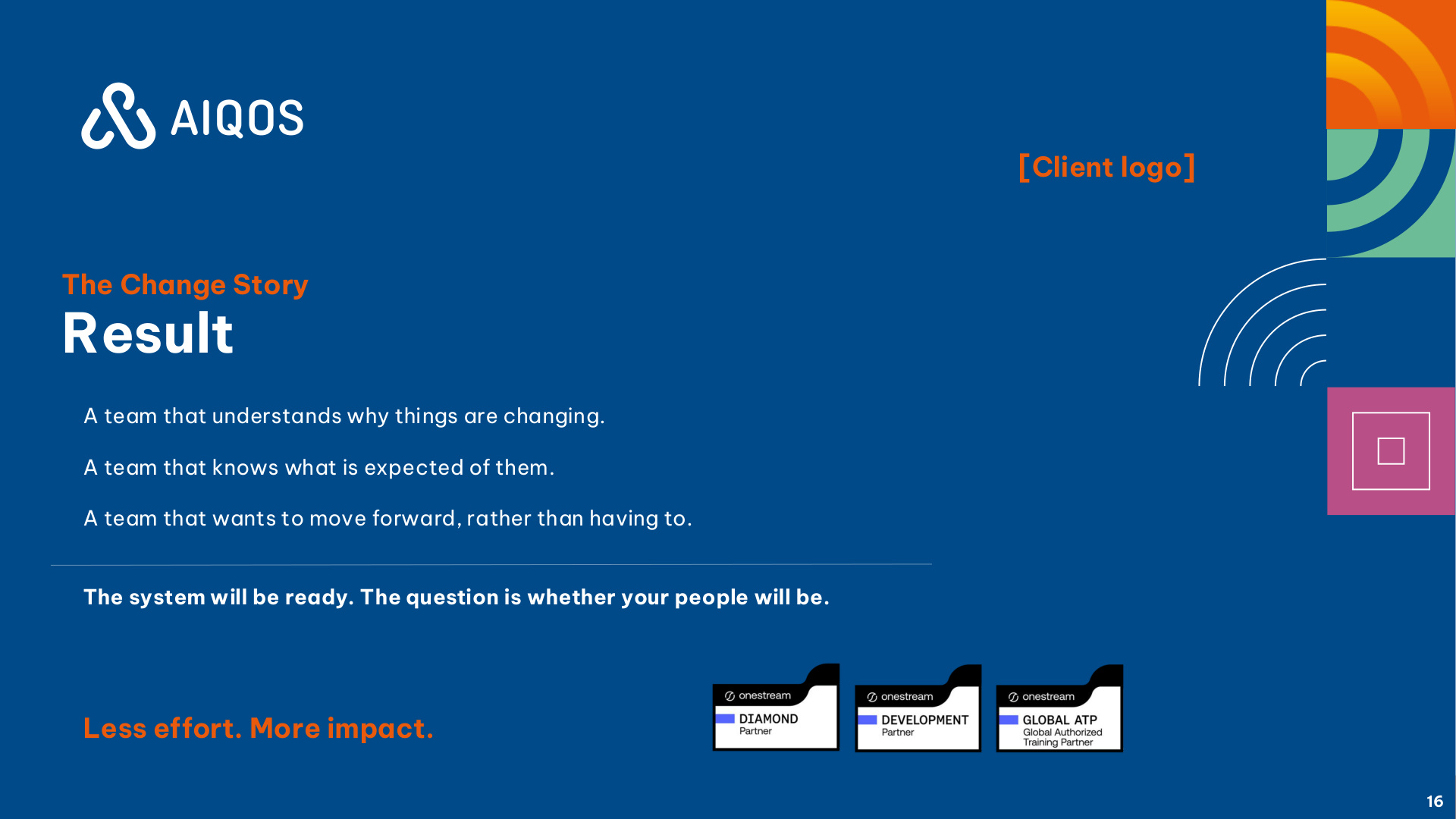
Translating academic research into a practitioner-ready communication tool for a specialist audience, without losing the rigour of the underlying analysis. The six-step framework (Pride → Urgency → Opportunity → Approach → Behaviour → Result) is structured so that a consultant can pick it up and run a session without further explanation. That requires a specific kind of clarity: not simplification, but precision.
Before this project, I assumed that good research speaks for itself. What I learned is that findings only create change when they are communicated in the language of the people who need to act on them. The moment I stopped writing for my supervisor and started writing for a consultant preparing a client session, the whole structure of the presentation changed. I now think about audience first, argument second.
Most organisations sit on research and analysis that never reaches the people who could use it. The gap between insight and action is almost always a communication problem. In any change or consultancy role, the ability to take complex findings and turn them into something a non-researcher can act on immediately is rare, and directly valuable.
The consultants I interviewed were the audience for this presentation. Did I communicate
their own experiences back to them in a way that felt accurate, or did I impose a framework
that made sense to me but not to them?
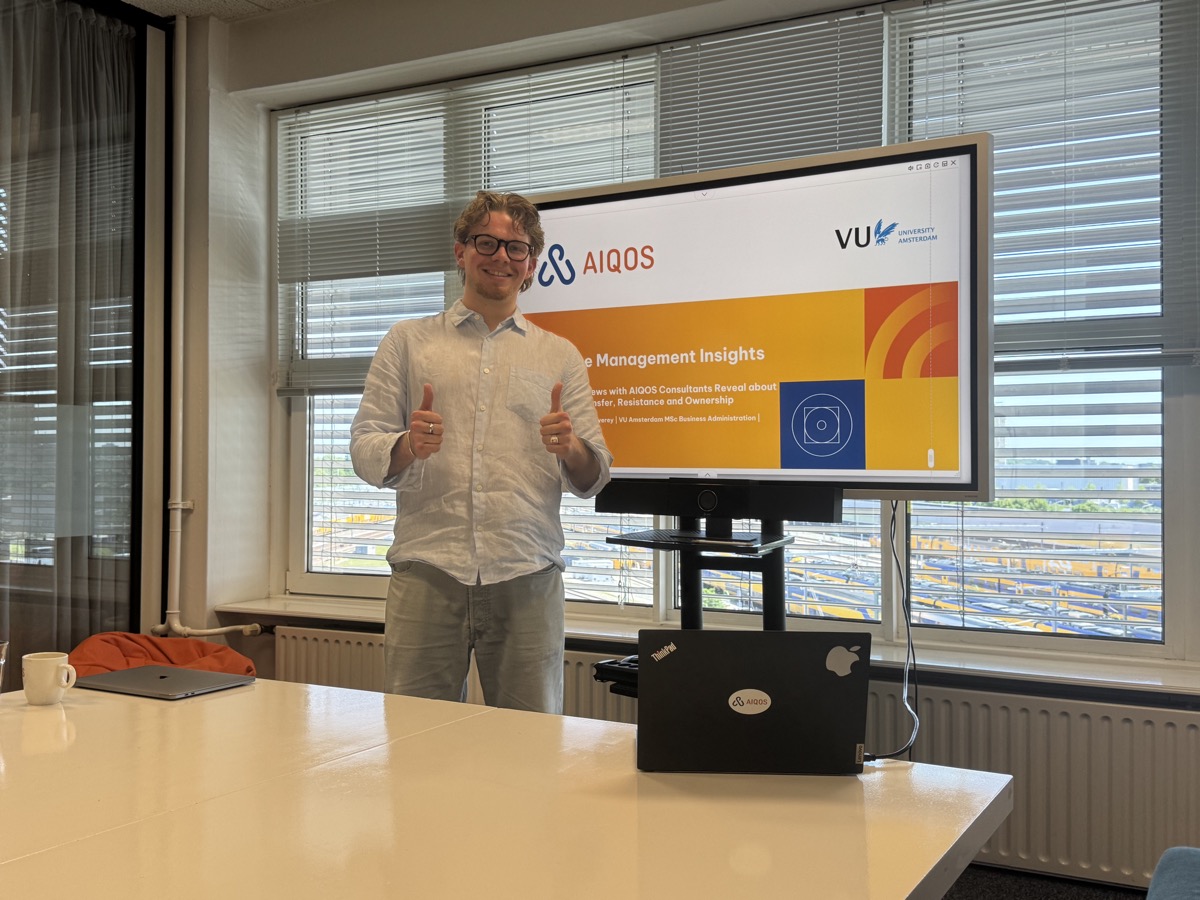
Presenting the Change Story at the AIQOS office, Den Haag